Ultimate Guide to Mount Teide in Tenerife 🌋
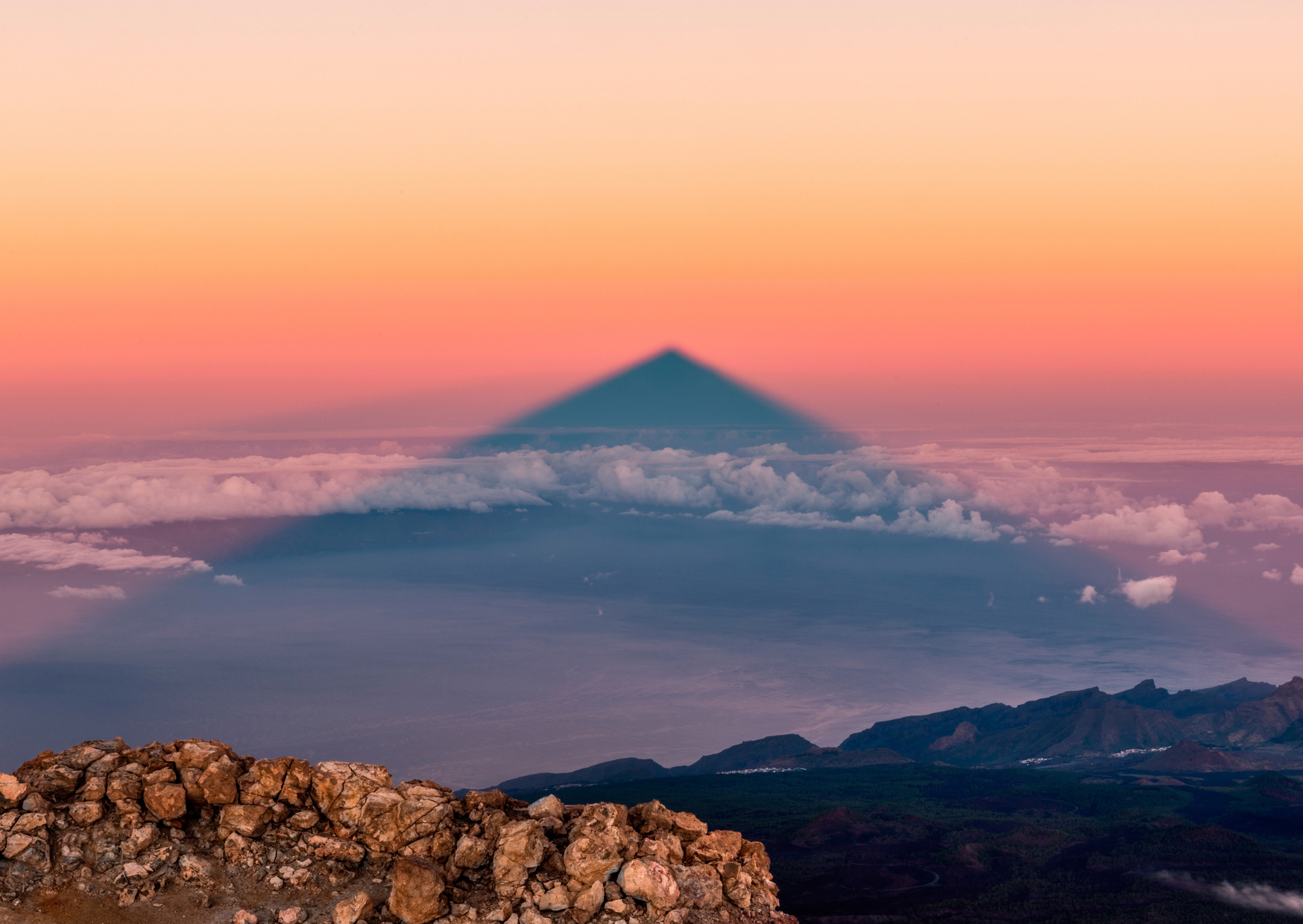
Mount Teide, towering above the Canary Islands, is a natural wonder that’s lured adventurers, hikers, and nature enthusiasts from around the world for centuries. In fact, Indigenous Guanche people (the original inhabitants of Tenerife) revered Mount Teide as a sacred site and believed it to be the dwelling place of Echeyde, the god of fire! Today, the volcano continues to be celebrated in local folklore and traditions, serving as a symbol of the island’s identity and heritage.
Due to its geological significance, stunning natural beauty, and cultural importance to Spain as a whole, Mount Teide was actually named as one of the 12 Treasures of Spain in 2007. This UNESCO World Heritage Site, holds a special place in the hearts of locals and visitors alike, symbolising the rich diversity and heritage of the Spanish landscape.
⛰️ How High is Mount Teide in Tenerife?
As the highest peak in Spain and one of the tallest volcanoes on the planet, you may be wondering exactly how High is Mount Teide in Tenerife? Well, this colossal volcanic peak soars to a staggering height of 12,198 feet (3,718 meters) above sea level, making it the undisputed queen of the Canary Islands and a true bucket-list destination for outdoor enthusiasts.
But the allure of Mount Teide extends far beyond its sheer size and scale. This sleeping giant is a testament to the raw power of nature and the geological forces that have shaped the Canary archipelago over millions of years. As you check out its summit and rugged, otherworldly landscape, you can’t help but feel a sense of awe and wonder at the sheer magnitude of this natural Tenerife landmark.
Now you know exactly how high is Mount Teide in Tenerife, if you’re looking to conquer it, you’ll need to make a decision! Will you hike to the summit, or opt for the more leisurely (but no less thrilling) cable car ride? Both options offer unique experiences, catering to adventurers of all skill levels and fitness levels!
🥾 Hiking Mount Teide
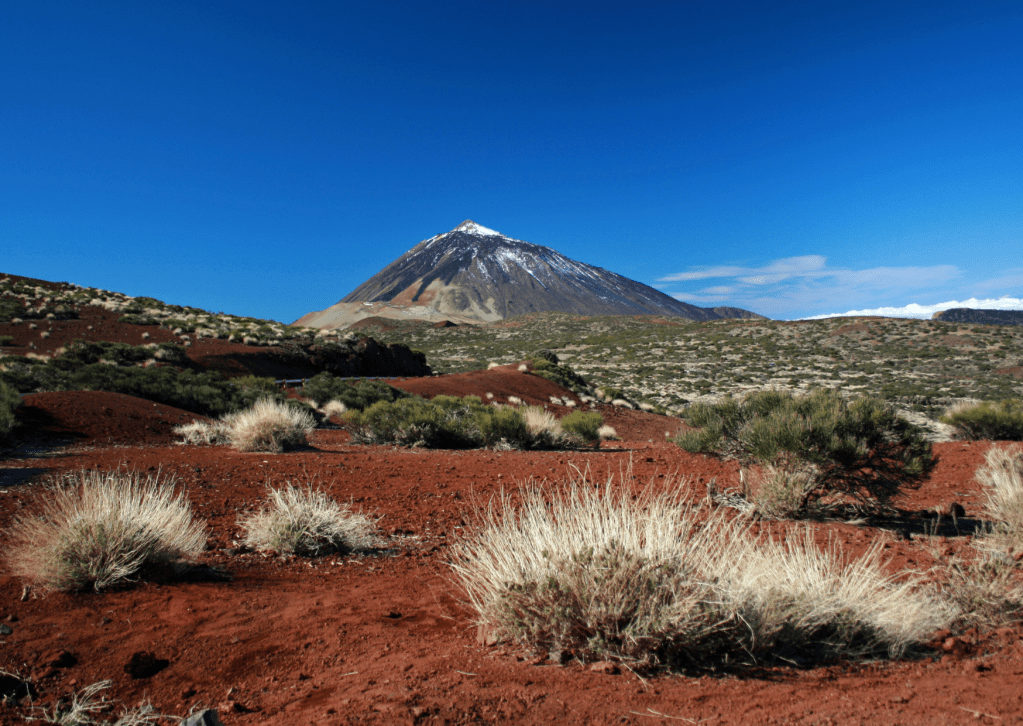
Hiking up Mount Teide is not for everyone, as it’s pretty steep in some sections. You now know how high Mount Teide is, but you should also be aware that as you go further and further up Teide the atmospheric conditions will harden.
The route that allows you to climb to the Mount Teide summit by foot starts at the foot of Montaña Blanc and ends at the peak. While more challenging, the hiking route, rewards you with a genuine sense of accomplishment and a deeper connection to the mountain’s natural beauty.
As you ascend the winding trails, you’ll be treated to panoramic views that stretch out to the horizon, showcasing the Canary Islands’ stunning volcanic landscapes in all their glory.
🚠 Mount Teide Cable Car
Now that you’ve learnt how high Mount Teide is and about the atmospheric conditions, you may be looking for an easier route!
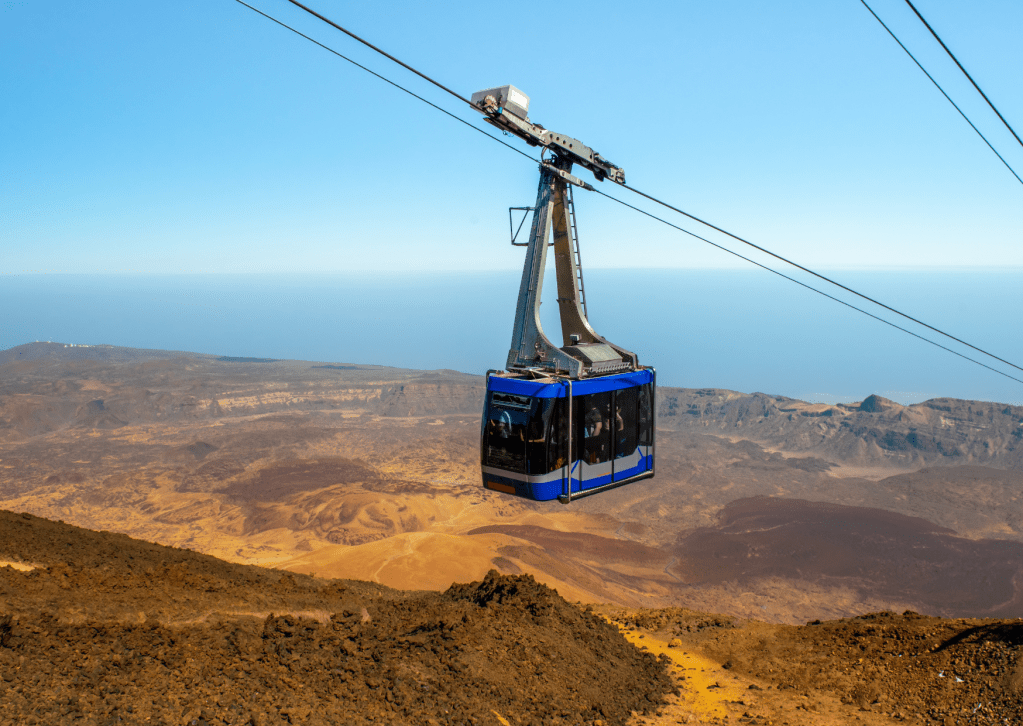
The good news is that for those looking for a more accessible approach, the Teide Cable Car provides a convenient and comfortable way to get to the mountain’s upper reaches.
If you plan to catch the cable car, the first option is to go it alone; you’ll need a lot of planning ahead as you need to apply for a permit, and once it’s been approved, you have to purchase the cable car tickets and book a time that’s compatible with the permit.
The second cable car option is more convenient: Simply book an excursion to the top of Mount Teide. Volcano Teide, the tour company, will process the permit for you, including the cable car tickets for just the right time. For me, this is the most sensible option and I like that they even include an official guide from the National Park who can help you discover all the wonders of this must see Tenerife attraction (that you might otherwise miss).
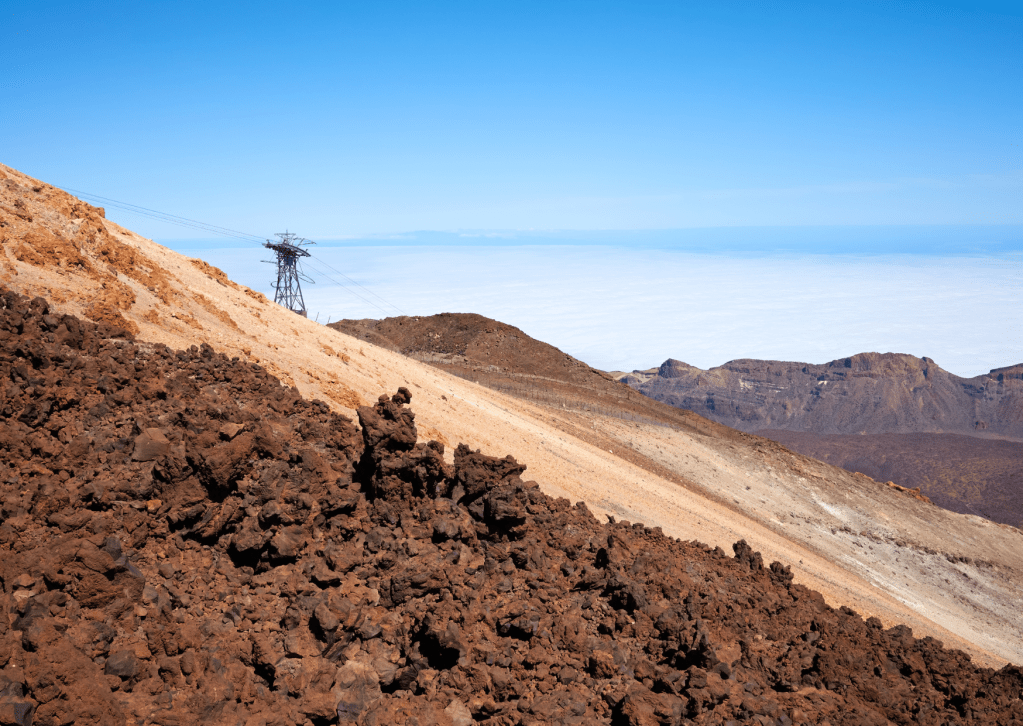
By ascending the slopes in a cable car, you’ll be treated to views that will leave you speechless. And once you reach the station at the top, you’ll be able to explore the volcanic crater and the nearby hiking trails, soaking in the grandeur of this must-see place in Tenerife.
Below are details about the rough distance between the most popular places in Tenerife and the route to Mount Teide up to the cable car base station:
- Santa Cruz: 64 km.
- La Laguna: 55 km.
- Puerto de la Cruz: 45 km.
- Los Gigantes: 52 km.
- Los Cristianos: 47 km.
- El Médano: 52 km.
Usually you can get the Mount Teide cable car from 9am every day (with the last descent around 5pm), but be sure to check online for updated times in case of any sudden changes. The cable car also operates at sunset if you book a guided tour.
For more information on the Mount Teide cable car, check out more detailed information here.
Ultimately, whether you’re a seasoned hiker, a nature enthusiast, or simply someone in search of an unforgettable adventure, Mount Teide is a top Tenerife destination that you won’t soon forget.
💡 Practical Tips for Mount Teide Adventurers
Before setting out on your Mount Teide adventure, here’s a few practical tips to ensure a safe and unforgettable experience:
- Acclimatise: Now that you know how high is Mount Teide in Tenerife, you’ll appreciate that it takes time to acclimatise to the altitude here, make sure you do this before attempting the summit hike to stop you getting any altitude sickness!
- Permit: If you plan to hike to the summit, be sure to obtain a free permit in advance. It’s super important to book your mount Teide summit permit in advance as there’s only 200 permits allocated per day and demand is usually high. To do this, visit the National Parks reservations website with sufficient time in advance (ideally up to 3 months in advance during peak season).
- Weather Awareness: Stay informed about weather conditions before setting out on your Mount Teide trip and heed any warnings from park officials.
- Pack Essentials: Don’t forget to pack essentials for Mount Teide such as sturdy footwear, plenty of water, sun protection, and layers so that you’re fully prepare for changing weather conditions.
- Respect Nature: Leave no trace and respect the fragile ecosystem of Mount Teide by adhering to the park regulations and practicing responsible tourism.
Finally, lace up your boots, pack your sense of wonder, and get ready to conquer one of the world’s most captivating natural wonders – the majestic Mount Teide!
FAQs About Mount Teide:
Below you’ll find helpful answers to the most frequently asked questions about Mount Teide in Tenerife.
1. When is the Best Time to Visit Mount Teide?
Weather: The summer months (June to September) typically offer warm temperatures and clear skies, making it an ideal time for hiking and outdoor activities. However, these months can also be the busiest in terms of tourist traffic.
Crowds:If you prefer to avoid crowds, I reccomend visiting Mount Teide during the shoulder seasons of spring (March to May) or autumn (October to November). During these times, you’ll encounter fewer tourists while still enjoying pleasant weather and relatively clear skies.
Landscape: The landscape around Mount Teide is stunning year-round, but it can look particularly beautiful during spring when the surrounding vegetation is in bloom. If you like photography or simply want to experience the lush scenery, spring is the best time to visit Mount Teide.
Permit Availability: If you plan to hike to the summit of Mount Teide, as I’ve mentioned, you’ll need to get a permit in advance. Permits can be limited, especially during peak tourist seasons. It’s advisable to check the availability of permits and book well in advance, particularly if you plan to visit during the summer months.
Stargazing: Mount Teide is known for its stargazing opportunities thanks to its high altitude and clear skies. If you’re interested in astronomy, visit Mount Teide during the winter months (December to February) when the nights are longer, and the skies are typically clearer.
Ultimately, the best time to visit Mount Teide depends on your personal preferences and interests. Whether you’re interested in hiking, stargazing, or simply enjoying the natural beauty of the area, there’s something to experience throughout the year. Just be sure to plan your trip in advance, taking into account factors like weather, crowds, and permit availability.
2. Which is the Best Road for Going Up Mount Teide?
The distance to Mount Teide from the main points of Tenerife range between 45 and 64 km.
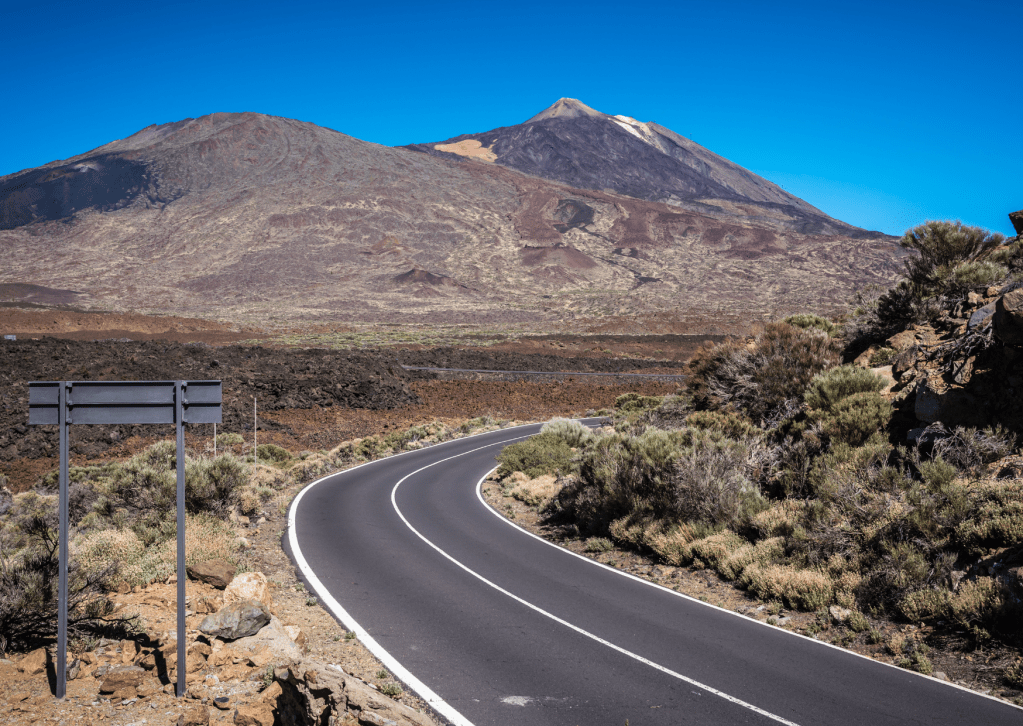
If you prefer to drive up, the TF-21 road is the primary route for reaching the base of the cable car station.
The TF-21 road provides stunning views of the volcanic landscape and is well-maintained, making it suitable for driving.
Driving to the summit requires a permit.
3. Can I Stay ON Mount Teide?
If you want to actually stay ON Mount Teide rather than simply near it, you could consider booking Refugio Altavista mountain refuge, which is currently the only shelter on Mount Teide.
Since there’s limited space in this Mount Teide lodge and it’s a popular choice, I recommend booking as soon as possible (ideally several months in advance).
4. How Long Does it Take to Ascend the Summit of Mount Teide?
The answer to this question is that it totally depends on how you do it!
Hiking up from Montaña Blanca to the peak of Mount Teide takes 5 to 6 hours.
If you ascend Mount Teide by cable car to La Rambleta and walk up from there, it will take about 40 to 50 minutes.
However, it’s important to note that these times are for guidance purposes only and the exact duration depends on your fitness levels.
5. How Much Does it Cost to Ascend Mount Teide?
There’s several differently priced options for getting up Mount Teide and ultimately it depends on how you choose to get up there, whether this is by foot, by cable car, or on a guided tour. Activities also take place during the day, at sunset, or at night to observe the stars.
Current prices for a Mount Teide Cable Car return ticket is €40.00 (for adult tourists) and €20.00 for non resident children. You can also customise your trip to Mount Teide by adding things like an audioguide or other options like the Pico Viejo volcano viewpoint.
Here’s a link to where you can find the latest information and prices, or, feel free to check out some of the amazing Mount Teide tours below.
6. What are the Best Mount Teide Tours?
Book the best Mount Teide tours with Get Your Guide, one of my go-to tour booking platforms:
✨ My Top Mount Teide Tour Recommendation! ✨
After you’ve discovered how high is Mount Teide in Tenerife, you might decide that hiking it might be a little too challenging. If so, I recommend booking a Mount Teide Sunset and Stars tour with Tenerife Stars.
I personally did this tour and it was amazing! We rode up to the summit of Mount Teide, where we witnessed the sun dip below the horizon, casting a warm glow over the surrounding landscape and creating a magical atmosphere that’s perfect for photography and romantic moments.
Once the sun had fully set, we were then able to do stargazing at Mount Teide, which is a truly extraordinary experience, offering an unparalleled opportunity to see the wonders of the universe from one of the world’s top astronomical observatories.
Did you know that the Canary Islands are one of the three best spots on Earth to observe the sky? For curiosity’s sake, the other two spots are Hawaii and Chile!


🌠 Why go Stargazing on Mount Teide?
Clear Skies: Situated at an altitude of over 2,000 meters (6,562 feet), Mount Teide benefits from exceptionally clear skies and minimal light pollution, providing the best conditions for stargazing. The crisp mountain air and lack of atmospheric interference create the perfect backdrop for observing celestial phenomena with remarkable clarity.
Teide Observatory: Home to the world-renowned Teide Observatory, Mount Teide boasts state-of-the-art telescopes and astronomical instruments that enable you to explore the cosmos in unprecedented detail. Guided tours of the observatory provide insights into cutting-edge research and even allow you to peer through powerful telescopes to observe distant galaxies, nebulae, and star clusters.
Instagrammable Moments: With its stunning natural scenery and dark, star-filled skies, Mount Teide is a paradise for photographers looking to capture the beauty of the cosmos in all its glory. Whether you’re a seasoned photographer or a novice, the dramatic landscapes provide endless inspiration for capturing stunning images of the night sky.
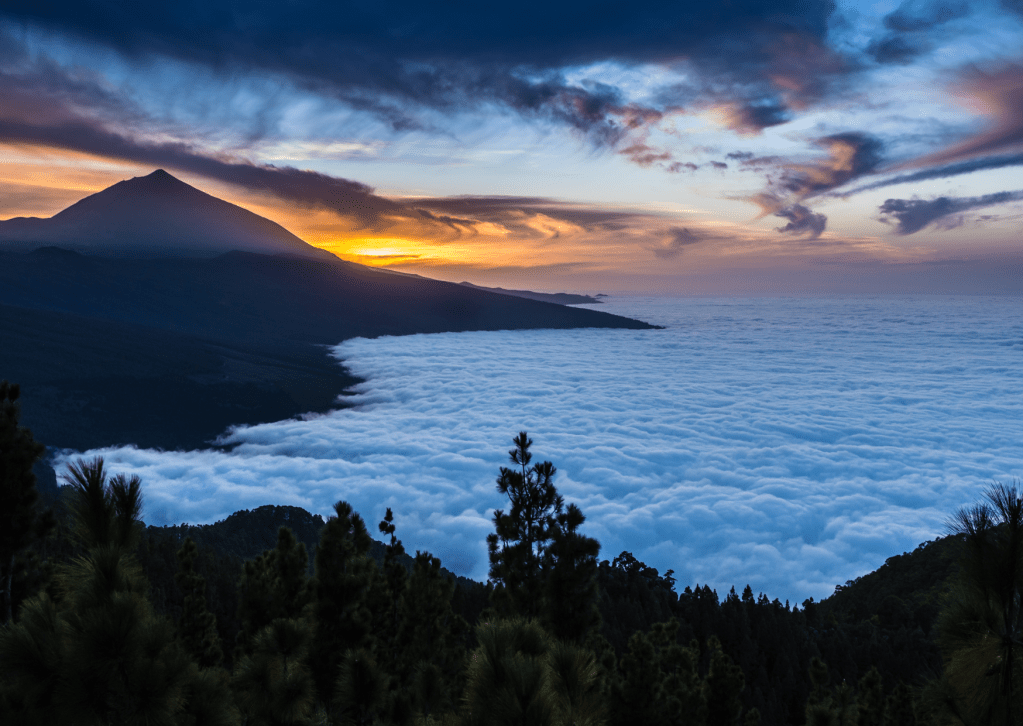
Unobstructed Views: Now that you know how high is Mount Teide in Tenerife (12,198 feet), you’ll know that it’s perched above the clouds, offering unobstructed panoramic views of the night sky, allowing you to gaze upon the heavens in all their splendour. The absence of urban development and artificial lighting enhances the visibility of stars, planets, and celestial objects, making for a truly immersive stargazing experience.
Sense of Wonder and Awe: Above all, stargazing at Mount Teide evokes a profound sense of wonder and awe, reminding us of the vastness and beauty of the universe and our place within it. Whether you’re tracing the constellations, marvelling at the Milky Way, or contemplating the mysteries of space and time, the experience of gazing up at the stars from Mount Teide is a humbling and transcendent encounter that leaves a lasting impression.
🌄 Fun Facts about Mount Teide?
🌋 Third Tallest Volcano on Earth: As the third tallest volcano in the world, Mount Teide’s colossal stature ranks it among the most impressive geological formations on the planet. Despite its dormant status, Mount Teide is considered an active volcano😲, with the last eruption occurring in 1909. Ongoing monitoring and research help scientists better understand the volcano’s behaviour and potential hazards!
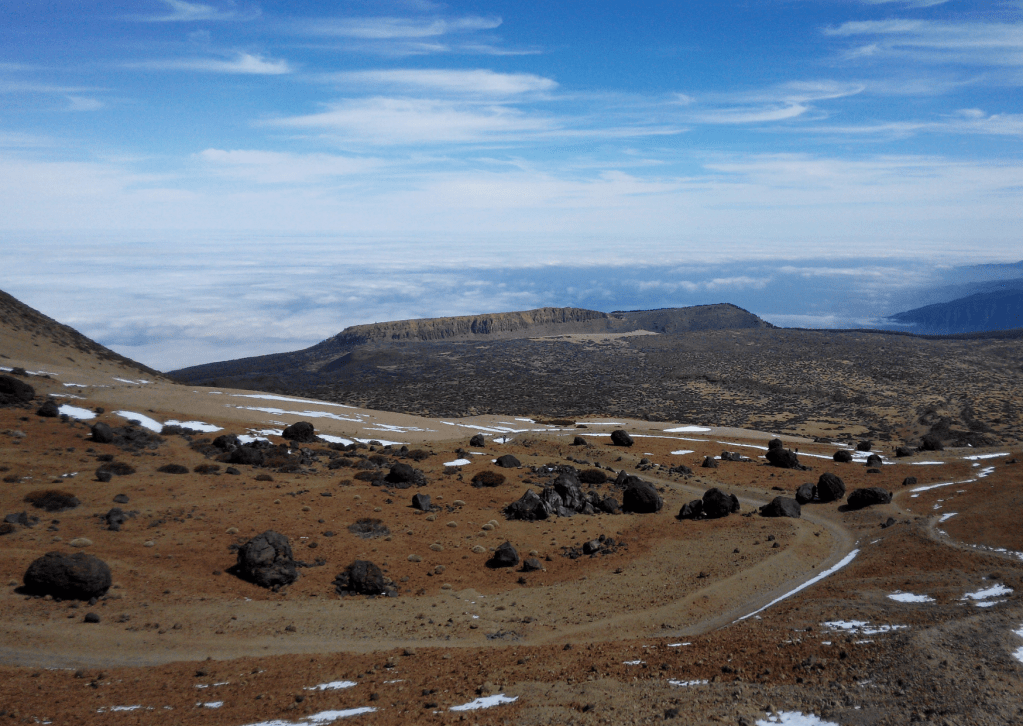
🌋 Lunar-Like Landscapes: The volcanic terrain surrounding Mount Teide is often compared to the surface of the moon, with its stark, otherworldly landscapes characterised by rugged lava fields, volcanic cones, and colourful mineral deposits.
🌋Filming Location: Mount Teide’s dramatic landscapes have served as a backdrop for several films and television shows, including blockbuster movies like “Clash of the Titans” and “Wrath of the Titans.” Its otherworldly scenery has made it a favourite location for filmmakers looking to evoke a sense of awe and wonder.
🌋 Biodiversity Hotspot: Despite its harsh environment, Mount Teide and its surrounding national park support an incredibly diverse array of plant and animal life, including endemic species found nowhere else on Earth (such as the Teide White Bugloss). The park’s unique ecosystems make it a hotspot for biodiversity and scientific research.
🌋 Tallest Peak in Spain: Mount Teide is the highest peak in Spain, soaring to an impressive altitude of 3,718 meters (12,198 feet) above sea level. Its summit offers panoramic views of Tenerife and the surrounding Canary Islands.
These fun facts offer just a glimpse into the remarkable legacy and natural wonders of Mount Teide, inviting you to explore its slopes and uncover the secrets hidden within!
Read Next:
Final Thoughts 🌋
Overall, Mount Teide is a place steeped in history, legend, and cultural significance, making it an absolute must-see in Tenerife.
With its otherworldly landscapes, sculpted by the forces of fire and ice, Mount Teide has long been a source of fascination for scientists and adventurers alike.
This iconic volcano, which is the centrepiece of Teide National Park, showcases Tenerife’s diverse landscapes, from its volcanic peaks to its lush forests, offering visitors a truly unique and awe-inspiring experience.
I hope you enjoyed this article on How high is Mount Teide in Tenerife and all of my personalised travel tips about this amazing island!
Tenerife is truly a destination that’s rich in natural beauty, cultural heritage, and outdoor adventures – there’s honestly something for every type of traveler here.
As always, if you have any other questions about visiting Mount Teide or exploring Tenerife, feel free to ask in the comments below. I’m happy to help you make the most of your vacation in Tenerife.
Safe travels!


Leave a Reply