
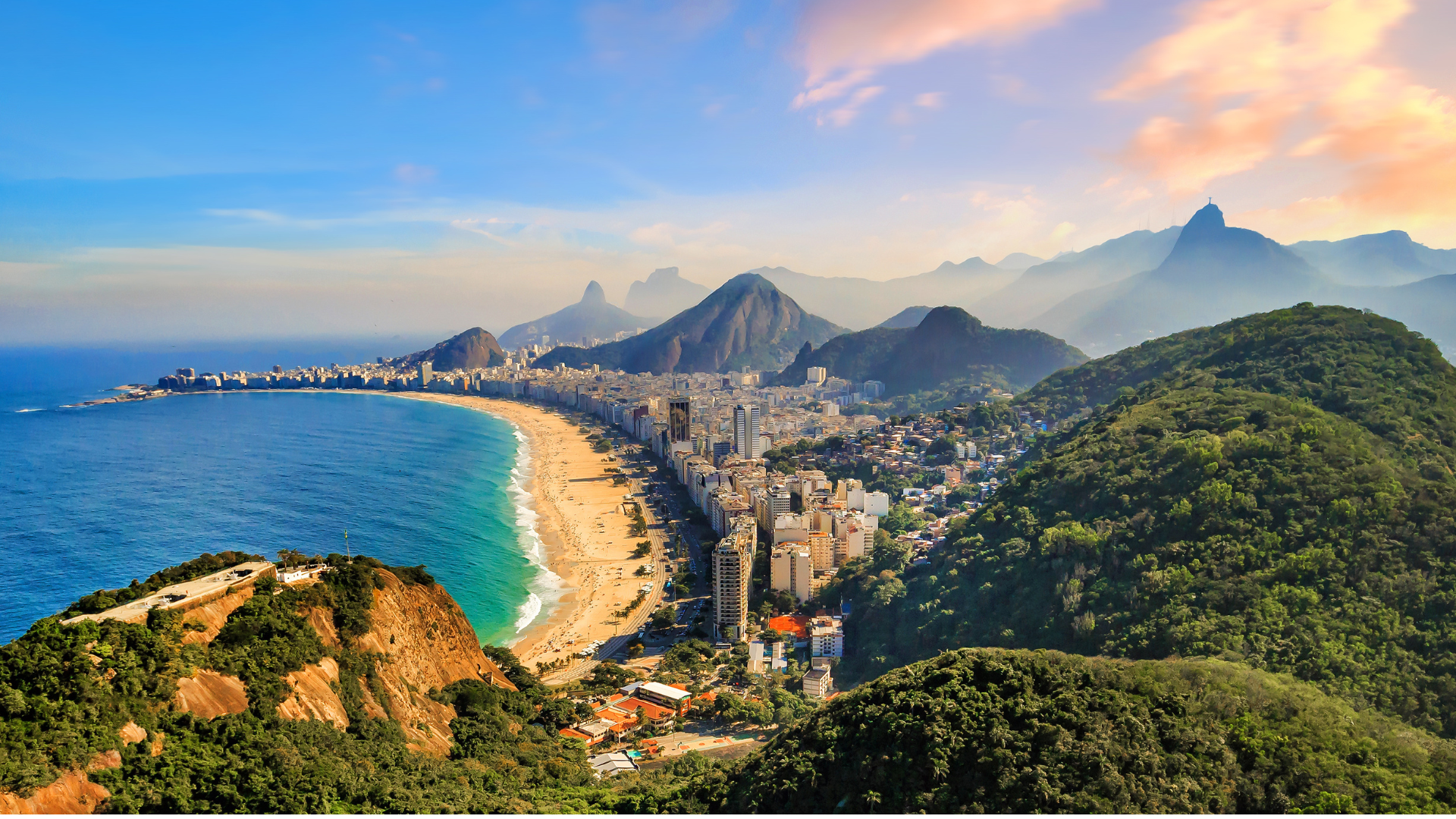
Fun Things to do in Brazil: The ULTIMATE Guide 🇧🇷💃
Brazil is a country that captures the imagination of travellers year after year. With its vibrant culture, natural wonders, and amazing energy, it’s no wonder Brazil is on the bucket list of so many adventurers.
Whether you’re looking to immerse yourself in the rhythms of Carnival, hike through the lush Amazon rainforest, or soak up the sun on world-famous beaches, Brazil has tons of epic activities to fill your days with! From dynamic metropolises to the untamed wilderness, Brazil is a land that begs to be explored and celebrated. So, prepare to be swept away by the country’s infectious joy for life, its rich cultural heritage, and its ability to continuously surprise and delight.
After travelling here myself in 2020 (just before covid hit!) I can assure you that this is a South American gem seriously worth experiencing first hand. Despite its reputation, to my surprise I also felt extremely safe in Brazil for the entire trip and would return to this part of the world in a heartbeat!
I can assure you that there’s no shortage of interesting things to do in Brazil. Each day spent here will be an epic adventure, but it’s always best to have a backup list of some epic and fun things to do in Brazil for when you’re feeling spontaneous or just need a jolt of inspiration.
Having so many experiences at your fingertips can be overwhelming when trying to decide exactly what you want to do in Brazil. So, sit back, relax, order another caipirinha, and I’ll tell you the most fun things to do in Brazil to help you include the best activities in your itinerary! There’s no chance you’ll be disappointed by these must see places in Brazil ❤️
🪇 Fun Things to do in Brazil: Top 26 🪇
1. Visit the Most Popular Landmark: Christ the Redeemer ✝️
It’s impossible not to be awestruck by the sheer scale of this famous landmark that’s counted amongst the seven man-made wonders of the world. Standing at the top of the Corcovado mountain and overlooking the vibrant city of Rio de Janeiro, this colossal statue is not only a religious symbol, but also a testament to the ingenuity and grandeur of human achievement.
Embarking on a visit to Christ the Redeemer is an experience that combines breathtaking views, rich cultural heritage, and a profound sense of connection to the divine. Crafted from reinforced concrete and soapstone, this art deco masterpiece was completed in 1931 and has since become an enduring symbol of both Rio de Janeiro and the Catholic faith.
The true magic of visiting the Christ the Redeemer statue lies in the experience of being in its presence (something you need to experience first hand!). As you approach the platform at the top of the mountain, the panoramic views of Rio de Janeiro unfold – the sparkling beaches of Copacabana and Ipanema, the lush green hills, and the glistening waters of Guanabara Bay. It’s a breathtaking sight that seems to put the entirety of this epic city in the palm of your hand.
Many visitors choose to spend time in quiet contemplation, reflecting on the significance of this iconic symbol and the profound role it plays in the cultural and religious identity of Brazil. Others indulge in the playful spirit of the occasion, snapping Instagram pics and celebrating life! After all, this is one of the most iconic landmarks in the world (and undoubtedly one of the most fun things to do in Brazil!) Regardless of your personal beliefs or motivations, a visit to the Christ the Redeemer statue is an experience that I guarantee you’ll remember long after you leave.

Good to know:
Timings: Daily, 8am – 7pm.
Tip: An important Rio de Janeiro travel tip is to visit Christ the Redeemer first thing in the morning to beat the crowds!
Getting here: To get to the Christ the Redeemer statue you have a few options:
🚂 By Train: The most popular way is to take the Corcovado Train, which departs from the Cosme Velho neighbourhood. The train takes you through the Tijuca Forest and up the Corcovado mountain to the statue’s base. From there, you need to climb a flight of stairs or take an elevator to reach the viewing platform.
🚕 By Van or Taxi: You can also take a van or taxi to the Christ the Redeemer statue. Several tour companies offer van services that takes you directly to the statue.
🥾By Hiking: If you’re feeling adventurous and want to enjoy the scenery, you can hike up the Corcovado mountain. There are hiking trails that lead to the statue, but make sure to be prepared with proper gear and plenty of water!
🚁 Helicopter tour: If you’re looking for a birds eye view then take a helicopter tour! This has to be one of the most fun things to do in Brazil if you’re feeling particularly boujee!
2. Take a Cable Car to the Top of Sugarloaf Mountain in Rio 🏔️
Towering over Rio de Janeiro, this legendary landmark has long beckoned adventurous travellers to take in the breathtaking views that await at the summit.
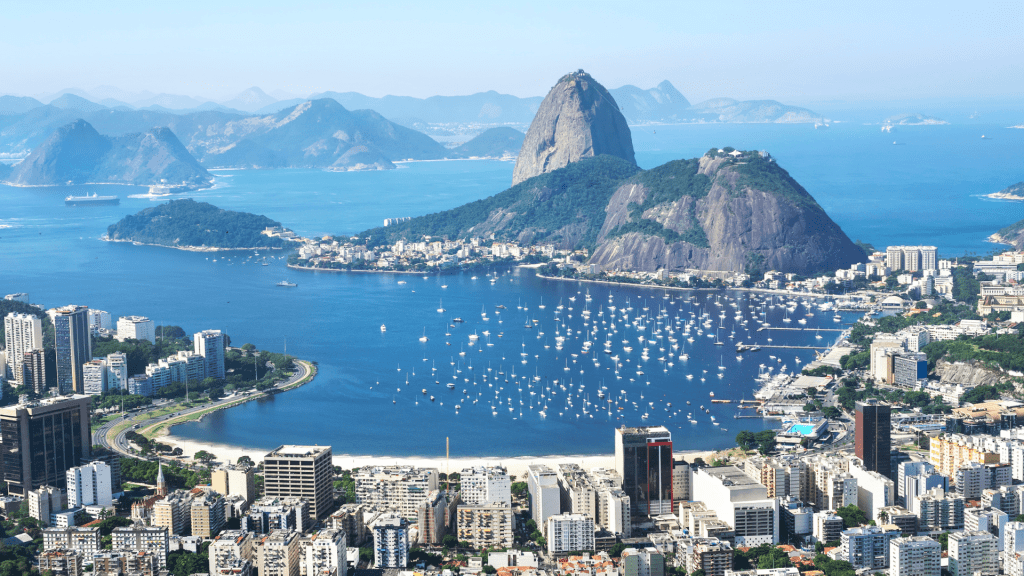
While the brave-hearted may opt to conquer Sugarloaf Mountain on foot, the most convenient way to reach the top is by taking a heart-pounding ride on the famous cable cars. This exhilarating journey, known as the Sugarloaf Cable Car, not only transports you to the precipice of the mountain but also offers an unparalleled perspective of Rio’s stunning landscape. You’ll be in awe of the gravity-defying peaks and the sheer grandeur of this iconic natural wonder. For me this is one of the most fun things to do in Brazil (by far). It’s something you just have to see to believe!
The first stop on the cable car journey is the smaller Morro da Urca, a midway point that provides a prime vantage for admiring the sweeping vistas and taking some epic Instagram shots! Here, you can disembark and explore the hiking trails, grab a refreshing drink, or simply take in the views before continuing your ascent.
But the real magic happens when the cable car continues its climb, carrying you towards the summit of Sugarloaf. As you glide above the treetops and gaze out over the city, the sheer scale and beauty of Rio de Janeiro will probably leave you speechless! The iconic Christ the Redeemer statue, the shimmering Guanabara Bay, and the undulating hills all come together in a truly otherworldly scene.
Once at the top, you’ll have the opportunity to explore the observation decks, admire the 360-degree views, and capture some amazing content. Then when you stand atop one of the world’s most recognisable natural wonders, it’ll be easy to see why Sugarloaf Mountain is considered a must-visit destination in Rio de Janeiro. The thrill of the cable car journey doesn’t end there – as you make your descent, the views are just as beautiful!
So, if you find yourself in Brazil, be sure to add a trip to the top of Sugarloaf Mountain by cable car to your Rio de Janeiro itinerary. Trust me, you won’t regret this epic Brazil attraction!
Good to know:
Timings: 8am – 7:45pm. But, I highly recommend visiting Sugarloaf at dusk for amazing sunset views!
Tip: Look out for the cute buffy-tufted marmosets at Sugarloaf Mountain. When I visited they were everywhere and sooo inquisitive (but obviously don’t interact with these wild monkeys as tempting as it is!)
Escadaria Selaron: While you’re in town, you could also check out the famous Selaron steps, which are a classic on any Rio de Janeiro tour. This world-famous Brazil attraction are the work of Chilean-born artist Jorge Selaron who claimed it as “my tribute to the Brazilian people”. The vibrant colours of the steps have transformed the area into an artistic masterpiece. In my opinion, they’re worth taking a few quick snaps of but you really don’t need more than 5 minutes to admire them.
3. Celebrate Carnival in Rio de Janeiro 💃
No trip to Brazil is truly complete without immersing yourself in the legendary Carnival celebration that captivates the city of Rio de Janeiro. This vibrant festival is a dazzling explosion of colour, music, and unbridled joy that takes over the Marvelous City for several electrifying days leading up to the Christian season of Lent.
As you venture into the streets of Rio during this time, you’ll be swept up in the infectious energy of the celebrations. The air crackles with the thunderous beats of samba music, dancers and revelers who parade by in extravagant, eye-catching costumes. Feathers, sequins, and vibrant hues blur together in a mesmerising kaleidoscope, as the crowds dance with unbridled enthusiasm, letting the spirit of Carnival fill their souls! 🪩
Even if you’re like me and not exactly an enthusiastic dancer, you’ll still love the sheer artistry and creativity on display. Witnessing the skilled samba school dancers executing their perfectly choreographed routines, is awe-inspiring, with each movement a testament to the rich cultural heritage that infuses this larger-than-life festival.
Carnival in Rio de Janeiro is not merely a festival – it’s a cultural phenomenon that captures the very essence of the country’s vibrant spirit, making this one of the most fun things to do in Brazil!

Tip: If you do want to celebrate Carnival in Brazil then you’ll 100% need to plan ahead. This celebration sees thousands of Brazilians flood the cities and accommodations almost entirely book up. Although it’s a little crazy to plan, Carnival is not only a highlight but arguably one of the best things to do in Brazil.
4. Hike through the Amazon Rainforest 🦜🍃
Brazil is home to one of the most incredible natural wonders on the planet – the mighty Amazon, the world’s largest tropical rainforest. To venture into this lush, biodiverse ecosystem is to embark on a thrilling adventure that you’ll remember for the rest of your days!
As you make your way into the depths of the jungle, the sights, sounds, and scents that surround you will ignite your senses! Keep your eyes peeled for a glimpse of the exotic wildlife that call this remarkable region home – from the vibrant plumage of colourful birds to the playful antics of curious monkeys. Each encounter with the diverse flora and fauna of the Amazon is a humbling reminder of the unbelievable biodiversity that thrives within this ancient, untamed landscape.
But the true magic of an Amazon adventure extends far beyond the opportunity to spot incredible wildlife. As you navigate the winding trails and meandering waterways, you’ll have the chance to learn about the vital importance of conservation efforts in this precious ecosystem. Understand the delicate balance that sustains the Amazon, and gain a deeper appreciation for the indigenous communities who have called this region home for generations, living in harmony with the land.
Through immersive experiences and insightful storytelling, you’ll come to recognise the Amazon not merely as a passive backdrop, but as a living, breathing entity that is inextricably linked to the well-being of our planet.
Hike beneath the soaring canopy, drift along the serene rivers, and witness the sheer power of nature in its most primal form. It’s an awe-inspiring experience that will leave you forever changed, with a profound reverence for the natural world and a renewed commitment to protecting it. As a nature lover, for me this is one of the most special and fun things to do in Brazil – a real bucket-list experience 🐆!

Getting to the Gateway of the Brazilian Amazon: The best way to get to the Amazon rainforest in Brazil is to fly to Eduardo Gomes International Airport, which is in the city of Manaus. This is the main tourist hub in the region and the capital of the Amazonas state.
How long do you need to spend? Three days is the minimum amount of time that you should set aside for visiting the Amazon rainforest in Brazil. If you have the time, I highly recommend spending 7 – 10 days exploring the Amazon rainforest. This way you’ll have room in your itinerary in case the weather gets a little crazy and delays all of the activities you planned!
5. Hike through the Stunning Landscapes of Chapada Diamantina 🥾
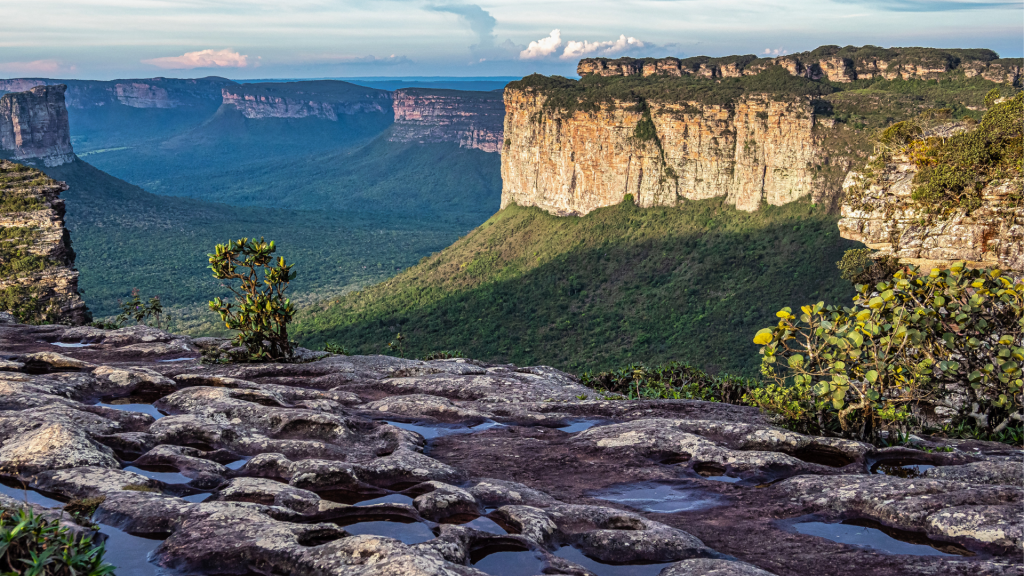
Nestled deep within the heart of Brazil’s rugged interior lies a natural wonder that has long captured the imagination of adventurous travellers – the magnificent Chapada Diamantina. This sprawling, UNESCO-protected landscape consists of stunning geological formations, cascading waterfalls, and crystal-clear pools, all waiting to be explored on an unforgettable hiking excursion.
As you set out to conquer the trails of Chapada Diamantina, prepare to be captivated by the sheer scale and grandeur of this breathtaking region. Towering table-top mountains, known as “tepuis,” rise majestically from the surrounding plains, their weathered cliffs and crevices sculpted by the relentless forces of nature over millions of years.
Lace up your boots and follow the winding paths that weave through this amazing terrain, taking in all the unique flora and fauna that thrive in this remote, untamed wilderness. Keep your eyes peeled for the vibrant hues of rare, endemic plants and exotic birds that flit between the trees, serving as your constant companions on the journey.
One of the true highlights of hiking in Chapada Diamantina is the opportunity to witness the region’s stunning waterfalls. From the thundering cascades of Cachoeira da Fumaça, the highest uninterrupted waterfall in Brazil, to the sapphire pools of Poço Azul, each natural wonder you encounter will leave you in awe of the sheer power and beauty of this epic landscape. If you’re a nature lover, without question, this is one of the most fun things to do in Brazil!
Chapada Diamantina is not just a feast for the senses though – it’s a testament to the rich cultural heritage of the region. Along the way, you’ll have the opportunity to learn about the indigenous communities who have called this land home for generations, gaining insights into their traditional ways of life and their deep reverence for the environment.
So lace up your boots, embrace your sense of adventure, and prepare to be captivated by the breathtaking wonders that await you in this natural paradise.
How many days do you need for Chapada Diamantina?
Since the park is enormous (152,000 hectares), it wouldn’t be possible to see everything it has to offer unless you spend several weeks here! So, if you have less time, you’ll need at least 4-8 days to do a couple of hikes and visit the main attractions in Chapada Diamantina.
Do I need a guide for hiking in Chapada Diamantina?
Yes, I recommend hiring a guide for the more advanced hikes in Chapada Diamantina since the trails often have no signs or markings and there’s no cell service in most parts of the park, so getting lost is pretty likely if you’re not familiar with the trails.
Fun fact: Chapada Diamantina got its name due to the diamonds found in the area, which attracted a lot of treasure hunters back in the 1840s!
6. Relax on the Best Beaches ⛱️
In a country renowned for its vibrant culture, rich history, and awe-inspiring natural wonders, one aspect that truly sets Brazil apart is its spectacular array of beaches.
From the sun-drenched sands of iconic Copacabana and Ipanema to the serene, island-dotted shores of Florianópolis and Fernando de Noronha, Brazil’s coastline offers a paradise for beach lovers seeking the ultimate in relaxation and adventure.
So, let’s run through some of the country’s most iconic beaches you seriously need to check out!
📍 Florianópolis
With its sparkling turquoise waters, swaying palm trees, and vibrant beach culture, the island of Florianópolis is a true Brazilian paradise.
Spend your days soaking up the sun, swimming in the warm ocean, and indulging in the local seafood on this lush, subtropical island.
Explore the stunning Jurerê Internacional, a chic, upscale beach renowned for its vibrant beach clubs, trendy restaurants, and lively social scene. Or escape to the tranquil shores of Joaquina Beach, a haven for surfers and kite enthusiasts.
As you wander the island, you’ll love the relaxed, island-time vibe that permeates Florianópolis, encouraging you to slow down, savour the moment, and fully immerse yourself in the pleasures of Brazilian coastal living.
Hitting the beach is undoubtedly one of the most fun things to do in Brazil!

📍 Copacabana and Ipanema
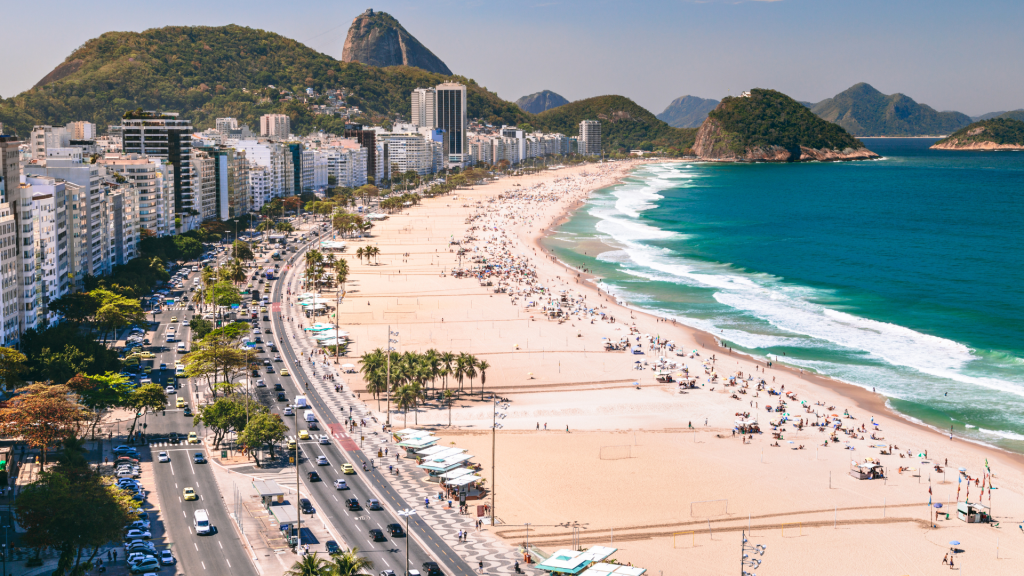
These world-renowned stretches of golden sand are the stuff of legend, attracting sun-seekers, water sports enthusiasts, and those in pursuit of the quintessential Brazilian beach experience.
Stroll along the famous Copacabana promenade, with its lively rhythm of beachside commerce, open-air cafes, and the energetic carioca (Rio resident) culture. Indulge in a refreshing caipirinha, the national cocktail, and let the infectious beats of samba music serenade you as you bask in the warm glow of the sun.
Just a stone’s throw away, Ipanema Beach offers a slightly more refined and upscale vibe, attracting a stylish crowd to its beautiful shores. Soak up the sun, people-watch, and dip your toes into the crystal-clear waters, all the while taking in the stunning backdrop of the undulating hills that frame this coastal landscape.

📍 Fernando de Noronha
For the ultimate in beach-based bliss, set your sights on the remote, archipelagic paradise of Fernando de Noronha. This UNESCO World Heritage Site, located some 220 miles off the northeastern coast of Brazil, is a true gem, offering a secluded and pristine environment that’s remained largely untouched by mass tourism.
Once you’re here, indulge in snorkeling or diving amid the vibrant marine life that thrives in the crystal-clear waters, or simply relax on the powdery white sands. Hike to breathtaking viewpoints, where you can gaze out over the rugged, volcanic landscape and even spot dolphins in the distance.
Fernando de Noronha is a true escape from the everyday, a place where time seems to slow down, allowing you to fully embrace the beauty of the natural world and the serenity of the Brazilian coast. Visiting this remarkable place is for sure one of the most fun things to do in Brazil!

Whether you’re seeking the energy and vibrancy of Copacabana and Ipanema, the laid-back island charm of Florianópolis, or the secluded, unspoiled splendour of Fernando de Noronha, Brazil’s beaches offer a wealth of opportunities to relax, rejuvenate, and immerse yourself in the beauty of Brazil!
7. Explore the Stunning Iguazu Falls 💧
Straddling the border between Brazil, Argentina, and Paraguay lies one of the most extraordinary natural wonders of the world: Iguazu Falls. This thundering cascade of water, plunging over 260 feet into the turbulent river below is one of the coolest things to do in Brazil!
From the Brazilian side of the falls you’ll be treated to views that showcase the sheer scale of this natural masterpiece. Be sure to check out the main horseshoe-shaped section, known as the Garganta do Diablo (Devil’s Throat), where nearly two million cubic feet of water per minute plummet over the edge!
While the Brazilian side of the falls provides the best panoramic views, the Argentinian side lets you get up close and personal to the power of the water. For the ultimate adventure, board a boat and venture out onto the river, but prepare to be drenched as you navigate the churning waters as you look up at the towering walls of water crashing around you. The adrenaline-fueled experience is totally worth the soaking though!
Iguazu Falls are more than just a stunning visual display – they are a testament to the importance of environmental conservation. The falls are situated within a UNESCO World Heritage site, a protected area that’s home to a diverse array of flora and fauna. As you explore the surrounding trails and walkways, take the time to learn about the delicate ecosystem and the ongoing efforts to preserve this natural treasure for generations to come.
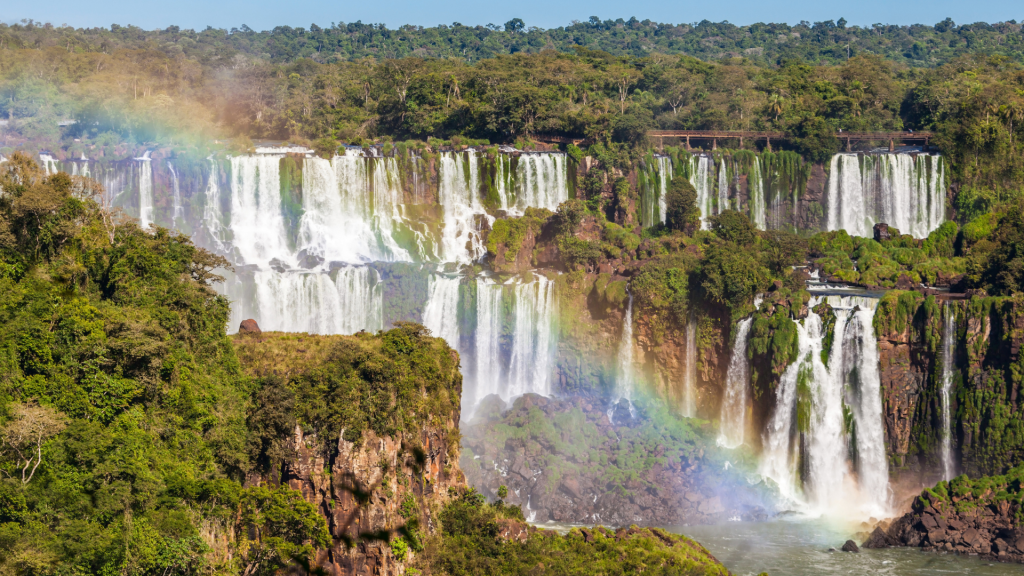
Getting here: From Brazil, the town you need to visit in order to see Iguazu falls is called Foz do Iguaçu. You can get flights here from Sao Paulo or Rio de Janeiro, or you can an overnight bus. In Brazil at the ticket office, you’ll take a bus to the start of the waterfall trails and then follow the trails around, returning to the bus when you’re ready.
Timings: Daily 9am -5pm. But it’s best to go early to avoid the crowds and also the heat.
Ticket cost: 62 Real/adult; 10 Real/child.
Fun fact: More than 80% of the falls are actually on the Argentine side but visiting the falls from both sides gives a truly unique perspective.
8. Discover the Vibrant Street Art of São Paulo 🎨
São Paulo, Brazil’s bustling metropolis, is a city that pulses with a creative energy that is impossible to ignore. But amidst the towering skyscrapers and the constant hum of activity, there’s a captivating underground art scene that’s transformed the urban landscape into a canvas for self-expression and social commentary.
As you wander the diverse neighbourhoods of São Paulo, your experience murals, graffiti, and installations that seem to spring to life around every corner. From the bold, graphic designs that command attention to the intricate, thought-provoking pieces that invite deeper contemplation, the street art of São Paulo is a reflection of the city’s diverse cultural tapestry and the passions of its creative community.
Join an art tour and let your expert guide introduce you to the stories and the artists behind these remarkable works of art. As you immerse yourself in the street art scene, you’ll begin to understand the powerful role that these public artworks play in shaping the identity and the social consciousness of São Paulo.
While navigating the labyrinth of alleys and side streets, you’ll gain a newfound appreciation for the rich cultural heritage and the resilient spirit that defines São Paulo. The street art becomes a lens through which you can better understand the aspirations, the struggles, and the triumphs of the people who call this vibrant city home. There’s no doubt that this is one of the most interesting and fun things to do in Brazil if you’re into art and creativity!
So, prepare to be captivated, challenged, and inspired as you delve into the captivating world of São Paulo’s street art scene. This is an experience that transcends the merely visual, offering a glimpse into the soul of a city that celebrates self-expression, social justice, and the transformative power of art in the public realm.

Fun Fact: São Paulo is always mistaken to be Brazil’s capital but it’s not (that’s Brasilia). However, São Paulo is the 4th largest city in the world, being over 4,000 times larger than Manhattan, so the mistake is easy to understand! São Paulo is the industrial center of Latin America.
Unique Hotel Option: Looking for somewhere quirky to stay in São Paulo? Check out Hotel Unique, which is a giant boat-shaped hotel with a blood red pool, underwater music, and other oddities! For some reason it’s known locally as “The Watermelon! On both the inside and out, Hotel Unique seems to live up to its name. It sounds so weird I’m dying to check it out for myself!
9. Swim in the Sand Dunes (what?!)👙
Yes you heard that right! You can swim in sand dunes at Lençóis Maranhenses National Park, which is renowned for its vast expanses of sand dunes that rise to staggering heights of up to 130 feet.
These majestic formations create a surreal desert-like landscape that stretches as far as the eye can see, offering a playground for adventure seekers and photographers alike. Whether you’re hiking to the summit for panoramic views or sandboarding down the slopes, the dunes of Lençóis Maranhenses promise an exhilarating experience like no other. This is surely one of the most unique and fun things to do in Brazil!
What sets Lençóis Maranhenses apart from other desert landscapes is the presence of ephemeral lagoons that form during the wet season. Heavy rains between January and June transform the dune valleys into a network of crystalline pools. While the water temperatures can reach a balmy 90 degrees Fahrenheit, a dip in these natural oases is a surreal and unforgettable experience, akin to bathing in a tropical paradise amidst the desert sands.
From the tranquil shores of the lagoons to the wind-sculpted contours of the dunes, every corner of the park offers a new discovery and a sense of wonderment at the power and beauty of nature.

Tip: Accessing the remote beauty of Lençóis Maranhenses requires a sense of adventure and a sturdy vehicle. Travelers typically embark on guided jeep tours from nearby towns like Barreirinhas, traversing rugged terrain to reach the heart of the national park. Along the way, you’ll be treated to breathtaking views of the dunes and lagoons, with opportunities to stop and explore the landscape up close.
When to visit: The best time to visit Lençóis Marenhenses is between June and September when the lakes are fuller and the weather cooler.
10. Wander the Historic Streets of Ouro Preto 🌸
Amidst the rolling hills of Brazil’s Minas Gerais region, the charming town of Ouro Preto stands as a true testament to the country’s rich and complex history. Once a thriving center of gold mining during the colonial era, this UNESCO World Heritage Site has managed to preserve its historic character, inviting visitors to step back in time and immerse themselves in the captivating legacy of this GORGEOUS place.
As you wander the winding, cobblestone streets of Ouro Preto, you’ll find Instagam worthy scenes on every corner, with perfectly preserved colonial architecture lining the narrow alleyways. Admire the ornate, baroque-style churches, their intricate facades and belfries, a stunning showcase of the region’s architectural heritage. Marvel at the vibrant hues of the historic buildings, each one a unique expression of the town’s rich cultural tapestry.
But the true magic of Ouro Preto lies in the way the past and present seamlessly intertwine, creating a lived-in, authentic atmosphere that invites you to slow down and take in every moment. Stop to chat with the local artisans, who proudly display their handcrafted wares in the many shops and galleries scattered throughout the town. The residents of Ouro Preto have fiercely guarded their cultural heritage, ensuring that the town’s historic character remains intact, despite the passage of time.
If you’re a history buff, or simply keen to photograph the pretty scenery, a day here is one of the most fun things to do in Brazil! I recommend climbing the steep, winding streets to be rewarded with breathtaking views of the surrounding hills, where the colonial architecture seems to spill down the slopes in an amazing blend of built and natural environments. Venture into the town’s many museums and cultural institutions, each one offering a deeper insight into the fascinating history of Ouro Preto and the role it played in shaping the development of Brazil.
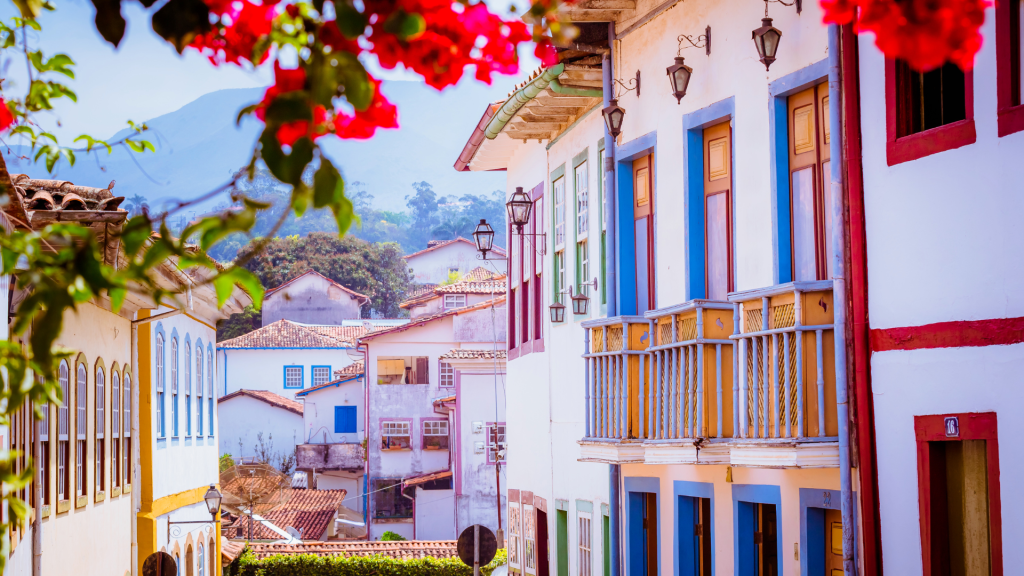
Fun fact about Ouro Preto: The city’s name literally means “Black Gold” in Portuguese, reflecting its origins as a gold mining town during the 18th century Brazilian Gold Rush. At its peak, Ouro Preto was one of the largest and wealthiest cities in colonial Brazil.
11. Indulge in the Delicious Local Cuisine in Salvador🍴
Welcome, fellow foodies, to the vibrant streets of Salvador! Nestled along the coast of Bahia, this awesome city beckons travelers with its rich history, lively culture, and, of course, its mouthwatering cuisine. Join me on a culinary journey as we indulge in the local flavours and discover the secrets of Salvador’s famous food scene. This has to be one of the most fun things to do in Brazil!
Acarajé: A Bite of Bahia’s Soul
Our journey begins with a taste of Bahia’s iconic street food: Acarajé (golden-fried balls of mashed black-eyed peas, filled with shrimp), vatapá (a rich paste made from bread, shrimp, coconut milk, and spices), and caruru (okra stew). Served hot and spicy, this savoury dish is a must-try for any visitor to Salvador. Head to the bustling streets of the Pelourinho or the Mercado Modelo to try this culinary masterpiece from the hands of talented Bahian women known as “Baianas de Acarajé”.
Moqueca: Epic Flavours
Prepare your taste buds for Moqueca, Bahia’s signature seafood stew. Made with fresh fish or shrimp, coconut milk, palm oil, tomatoes, onions, garlic, and cilantro, this classic dish is slow-cooked to perfection, allowing the ingredients to meld together into a rich and aromatic delight. Served with rice and pirão (a thick gravy made from fish broth and cassava flour), Moqueca is a hearty meal that embodies the essence of Bahian cuisine.
Caipirinha: A Tropical Elixir
No culinary adventure in Brazil would be complete without indulging in the country’s national cocktail – the Caipirinha 🍸. Made with cachaca (a distilled spirit made from sugarcane), lime, sugar, and ice, this refreshing concoction is the perfect companion for soaking up the sun on Salvador’s stunning beaches or dancing the night away in one of its lively samba clubs. Cheers to the spirit of Bahia!
Feira de São Joaquim: A Culinary Playground
Step into the bustling Feira de São Joaquim, Salvador’s largest market, and prepare to be dazzled by a kaleidoscope of colours, aromas, and flavours. From exotic fruits like mangaba and umbu to spices like dendê oil and pimenta malagueta, this market is a paradise for food lovers. Don’t forget to try some freshly squeezed sugarcane juice (my personal fave) or indulge in a steaming bowl of caldo de sururu (oyster stew) from one of the market’s many food stalls.
Boteco Culture: Where Food Meets Fun
For a taste of Salvador’s vibrant nightlife and laid-back atmosphere, head to one of the city’s many botecos (neighborhood bars) and immerse yourself in the local culture. Order a plate of petiscos (Brazilian tapas) such as bolinho de bacalhau (codfish fritters) or pasteis (fried pastries) and wash it down with a cold beer or caipirinha while enjoying live music and the company of friendly locals. It’s the perfect recipe for an unforgettable evening in Salvador!

From the spicy streets of the Pelourinho to the tranquil shores of Itapuã, Salvador is a city brimming with culinary delights waiting to be discovered. Whether you’re a seasoned foodie or an adventurous traveler seeking new tastes and experiences, make sure to add Salvador to your culinary bucket list and prepare yourself for a gastronomic adventure like no other! This is one of the most fun things to do in Brazil!
12. Brazil’s Best Kept Secret: the Pantanal 🐆
Deep within the heart of Brazil lies a natural wonder unlike any other – the Pantanal, the world’s largest tropical wetland region. This vast, biodiverse landscape is a true sanctuary for exotic and captivating wildlife, making it a dream destination for nature enthusiasts and animal lovers alike.
As you set out to explore the Pantanal, prepare to be immersed in a world that seems to exist outside the bounds of time. This sprawling ecosystem is home to an incredible range of flora and fauna, from the majestic jaguar, the largest predator in the Americas, to the vibrant and diverse birdlife soaring high above. Venture out on guided boat tours or hikes, and let your expert naturalist companions share their wealth of knowledge, introducing you to the intricate web of life that sustains this remarkable ecosystem.
The true thrill of the Pantanal lies in the opportunity to spot the elusive jaguar, a creature of power, stealth, and mystery. As you navigate the network of trails and waterways, keep a watchful eye for the telltale signs of their presence – the distinctive paw prints in the mud, the rustling of the undergrowth, the sudden silence that falls over the landscape. With a bit of luck and a keen eye, you may be rewarded with a fleeting glimpse of this majestic feline!
Beyond the iconic species, the Pantanal is teeming with other amazing wildlife, from the curious capybara, the world’s largest rodent, to the vibrant toucans and parrots that add splashes of colour to the surroundings. So, pack your binoculars, embrace your spirit of adventure, and prepare to be captivated by the wonders of the Pantanal – one of the most wholesome and fun things to do in Brazil!

Best Time to Visit: The dry season from May to October is the best time to visit the Pantanal, as this is when wildlife viewing is at its peak. During the wet season from November to April, many roads and trails can become impassable.
Choose Your Location Wisely: The Pantanal is massive, spanning over 70,000 square miles across three countries (Brazil, Bolivia, and Paraguay). Consider focusing your visit on the Brazilian Pantanal, which offers the top wildlife viewing opportunities.
Opt for a Guided Tour: While it’s possible to self-drive through the Pantanal, joining a guided tour with a knowledgeable naturalist or local guide is highly recommended. They can help you spot elusive wildlife and navigate the maze of roads and trails.
13. Admire the Neoclassical Architecture of Pelourinho in Salvador 🏛️
Within the vibrant heart of Salvador lies a neighbourhood that captivates the senses and transports visitors to a bygone era – the enchanting Pelourinho. This UNESCO World Heritage site is a stunning showcase of Neoclassical architecture, a harmonious blend of Portuguese colonial influences and the distinct cultural identity of Brazil.
As you wander the winding, cobblestone streets of Pelourinho, your eyes will be drawn to the facades that line the narrow alleyways. Towering, brightly coloured buildings, adorned with intricate carved details and ornate balconies, create a sense of timeless elegance that seems to defy the passage of time.
Stop to admire the imposing São Francisco Church, a true masterpiece of Neoclassical design that boasts an exquisitely decorated interior, complete with gilded altars and grand, vaulted ceilings. Marvel at the Praça da Sé, a picturesque plaza surrounded by historic structures, each one a testament to the region’s architectural heritage.
Venture beyond the main thoroughfares and explore the hidden alleyways, where you’ll stumble upon lively street performances and opportunities to connect with the warm, welcoming people of Pelourinho. It’s in these intimate moments that the true spirit of this neighbourhood reveals itself, inviting you to slow down, take in all the details, and become part of the vibrant tapestry that makes Pelourinho so special.
Exploring the beauty of Pelourinho is one of the most fun things to do in Brazil, a real transformative experience that goes beyond mere sightseeing. It’s a journey that allows you to connect with the rich cultural heritage of Brazil, to appreciate the enduring power of architectural traditions, and to take in the infectious energy that defines this one-of-a-kind destination.

Travel tip: Plan your visit during the day, as Pelourinho can become less lively and potentially unsafe at night, especially for solo travelers. Be cautious with valuables as Pelourinho has a reputation for petty crime. Take taxis or use rideshare services after dark.
14. Visit an Alien Town: Nave Espacial de Varginha 🛸 👽
Nave Espacial de Varginha is a spacecraft-shaped water tower that makes up a small part of the mysterious UFO mania in this quirky Brazilian town.
Background Story
On January 20, 1996, something peculiar occurred in the city of Varginha, Brazil. The story began with two sisters and their friend who claimed to have seen a strange creature roaming the city streets. They described it as having a thin body, unusual V-shaped feet, and large red eyes.
The news spread like wildfire throughout Varginha. Within a day, more unidentified flying objects were reportedly sighted, and additional accounts of alien encounters and even captured extraterrestrials flooded the local media. Two days later, a “creature” was said to have been found dead in a roadside ditch, with three military trucks dispatched to retrieve it.
The Brazilian media went into a frenzy over the story, though the veracity of the claims was impossible to verify. The incident even made international headlines, with the Wall Street Journal dubbing Varginha a potential “cosmic Watergate.” Despite the extensive media coverage, there was never any concrete evidence to substantiate the extraordinary claims, leading the Brazilian government to deny the entire incident ever occurred – a move that only fuelled the suspicions of UFO enthusiasts.
Since then, Varginha has become a pilgrimage site for UFO enthusiasts, the South American counterpart to Roswell, New Mexico. The city has embraced its newfound status and influx of ET tourism. Grey dolls can be bought throughout the city, and businesses have gone wild incorporating alien-themed decor!
The most prominent and conspicuous of Varginha’s UFO-related landmarks is its water tower, constructed in 2001. Standing 20 meters tall, the tower is designed to resemble the craft reportedly seen by the city’s residents. To enhance the extraterrestrial ambiance, the water tower glows purple at night!

15. Attend a Capoeira Performance in Salvador 🪇
Stepping into the vibrant city of Salvador is like entering a whirlwind of sensations – the pulsing rhythms, the vibrant colours, and the infectious energy that permeates every corner. But if there’s one experience that truly encapsulates Brazil, it’s witnessing a live Capoeira performance – and Salvador is undoubtedly the epicenter of this mesmerising art form.
As one of the most fun things to do in Brazil, a Capoeira performance is a must-see on any traveler’s itinerary. This unique blend of martial arts, dance, and music is not just a display of physical prowess; it’s a powerful expression of Brazil’s rich cultural heritage, forged through centuries of history, resilience, and the indomitable spirit of the Brazilian people.
The scene unfolds like a choreographed dance, as two Capoeiristas (practitioners of Capoeira) engage in a fluid, acrobatic exchange, their movements a fusion of kicks, sweeps, and graceful evasions. The pulsing beat of the berimbau, a single-string musical bow, sets the tempo, accompanied by the rhythmic chants and claps of the surrounding circle of onlookers. The Capoeiristas move with an unbelievable fluidity, their bodies seemingly defying the laws of gravity as they somersault, cartwheel, and spin, locked in a captivating dialogue of attack and defense!
But Capoeira is more than just a physical performance; it’s a reflection of the resilience and ingenuity of the Brazilian people. Forged during the era of slavery, Capoeira was a means of self-defense and a symbol of resistance, as slaves used the martial art to conceal their training and protect themselves from their oppressors.
Today, Capoeira has evolved into a celebrated art form that transcends its historical roots, becoming a source of pride and community for Brazilians across the country. In Salvador, the heart of Afro-Brazilian culture, Capoeira is deeply woven into the fabric of everyday life, with practitioners of all ages and skill levels gathering in the city’s plazas and parks to showcase their talents and pass on the tradition to the next generation.
So, if you’re looking for the best things to do in Brazil, make your way to Salvador and immerse yourself in the captivating world of Capoeira!

Fun fact: In 2014, UNESCO recognised Capoeira as an Intangible Cultural Heritage of Humanity, highlighting its significance in Brazilian culture and history.
16. Explore a Modern-day Utopia 🤩
In the heart of Brazil, nestled amidst the vast expanse of the central highlands, lies a city unlike any other – Brasília, the purpose-built capital that stands as a testament to the relentless pursuit of a visionary dream.
Whether you’re an architecture enthusiast, a history buff, or simply a curious traveler seeking new experiences, make sure to add Brasília to your bucket list! From the soaring heights of its skyscrapers to the tranquil beauty of its parks and gardens, this amazing city invites you to explore, to dream, and to discover the endless possibilities of human creativity. Exploring Brasilia is easily one of the most fun things to do in Brazil!
Designed by the renowned architect Oscar Niemeyer and urban planner Lúcio Costa, Brasília was conceived as a modernist utopia, a city built from scratch to serve as the new administrative center of Brazil. Emerging from the once-barren landscape in the 1950s, the city’s bold, futuristic design reflects the country’s aspirations for progress, innovation, and a brighter future.
As you wander through Brasília’s meticulously planned streets and avenues, the architectural marvels come to life, each structure a testament to the visionary thinking that shaped it. The Palácio da Alvorada, the official residence of the Brazilian president, stands as a testament to Niemeyer’s vision, its striking white curves and glass walls reflecting the brilliant sunlight.
Nearby, the Catedral Metropolitana de Brasília, with its soaring concrete arches and stained-glass windows, is a breathtaking example of the city’s architectural ingenuity. Designed to symbolise a crown of thorns, the cathedral’s unique design has become an iconic symbol of Brasília, drawing visitors from around the world to admire its sheer scale and grandeur. As you explore Brasília, you’ll find yourself constantly in awe of the city’s harmonious blend of modernist design and natural beauty.

17. Discover the Vibrant Culture in Recife 🎭
For a deeper dive into the visual arts, make your way to the Fundação Joaquim Nabuco, a prestigious cultural institution that houses an impressive collection of paintings, sculptures, and other works by renowned Brazilian artists. Lose yourself in the thought-provoking narratives and the technical mastery on display, gaining a deeper understanding of the diverse perspectives and sociopolitical themes that inspire the creative community in Recife.
Frevo and Maracatu are two iconic music and dance genres native to Recife. Frevo is characterised by its fast-paced rhythms, vibrant umbrellas, and acrobatic dance moves, while Maracatu features rhythmic drumming, elaborate costumes, and ceremonial processions. One of the most vibrant and energetic experiences you can have in Recife is witnessing a live performance, often the centerpiece of Recife’s lively carnivals and festivals, where locals and visitors alike come together to celebrate this unique art form.
Wander the streets and alleyways, and you’ll discover a thriving public art landscape, where local muralists, graffiti artists, and installation creators have transformed the urban canvas into a living, breathing gallery that celebrates the city’s unique identity. Take a guided tour or self-guided stroll through Recife’s street art hotspots, including the neighbourhoods of Boa Viagem, Santo Antônio, and Casa Forte, which is easily one of the most fun things to do in Brazil!
Engaging with the arts and culture of Recife is not a passive experience – it’s an invitation to connect with the very heart and soul of the city. Through workshops, guided tours, and immersive experiences, you’ll have the opportunity to not only appreciate the creative output but also to understand the stories, the struggles, and the triumphs that have shaped this dynamic community.
So, prepare to be captivated, challenged, and inspired as you uncover the vibrant arts and culture scene that defines Recife. This is an experience you’ll remember long after you leave!

Fun fact: Recife is often referred to as the “Venice of Brazil” due to its network of rivers, bridges, and canals. This city’s unique geographical features have contributed to its diverse cultural tapestry, shaped by influences from Africa, Europe, and indigenous peoples.
18. Experience the Famous Botanical Garden of Rio 🪷🌿🪻
If your idea of the most fun thing to do in Brazil is a quiet retreat, then I highly recommend heading to Jardim Botânico (The Botanical Garden of Rio). There’s 8000 plant species here spanning 130 acres of land, with pathways weaving through tropical plants, ponds and trees. Greenhouses, monuments, and bridges also decorate the park, making this one of the most Instagrammable places in Brazil!
Located in the south zone of Rio de Janeiro the botanical garden was established in 1808 by King John VI of Portugal and features several historic structures and iconic landmarks including the Palace of the Emperor, which was built in the early 19th century and served as the residence of Brazil’s emperors for many years.
Other stunning landmarks at Jardim Botânico include the Japanese Garden, the Victoria Regia Water Lily Pond, and the Fernery, which houses a diverse collection of ferns. Spending the morning at this beautiful place was easily one of the top things I did in Rio!
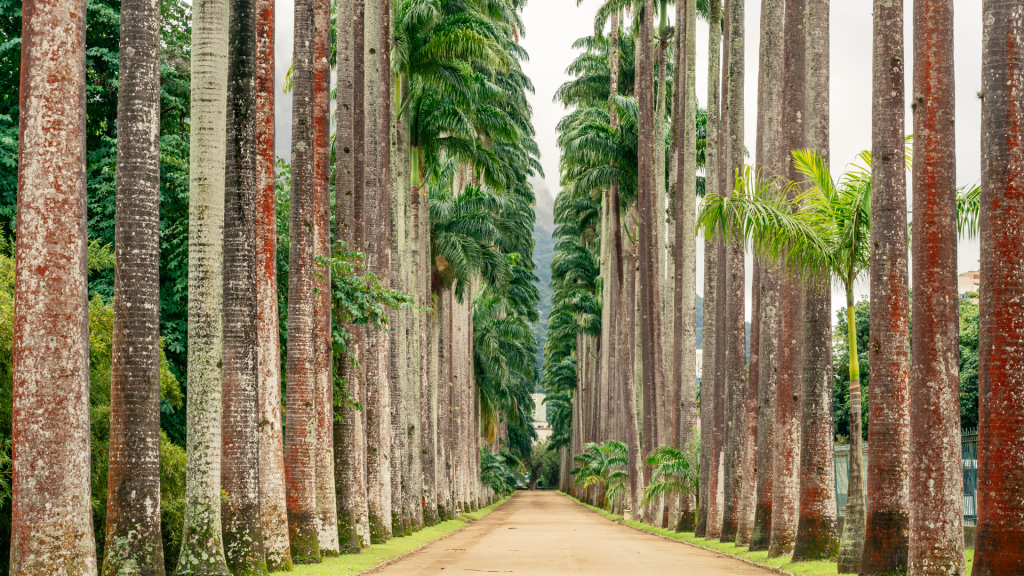
Tip: Near the Botanical Garden of Brazil is the public park of Parque Lage, which has its own beautiful garden and historic mansion, making for another quiet escape. But the true highlight is that you can sit in a cafe here taking in the view of Christ the Redeemer above.
19. Bargain Hunting at the Mercado Popular da Uruguaiana 🛍️
In the bustling heart of Rio lies the Mercado Popular da Uruguaiana – a treasure trove of bargains, local flavour, and cultural immersion. This lively marketplace is one of the most fun things to do in Brazil if you’re a shopping addict like me!
One of the highlights of the Mercado Popular is the sheer diversity of products on offer. Whether you’re in the market for some Havaianas to complete your Brazilian beach look, or you’re looking for some handmade souveniers, the vendors here have you covered. Haggle with the friendly stall owners, hone your bargaining skills, and immerse yourself in the lively culture of this iconic Rio marketplace!
Mercado Popular provides a fascinating window into the vibrant commercial spirit that defines this Brazilian metropolis. As you browse the stalls and mingle with the locals, you’ll get a glimpse into the lives and stories of the vendors, many of whom have been plying their trade here for generations.
While you’re here, don’t forget to indulge in the tasty Brazilian street food on offer, from fresh juices and to sizzling grilled meats and decadent pastries, this place knows how to captivate your senses!
Whether you’re in search of the perfect place to grab some Brazillian souvenirs, a wardrobe refresh, or simply an authentic cultural experience, a visit to the Mercado Popular da Uruguaiana should be at the top of your Rio de Janeiro itinerary – this is a seriously great place to spend an afternoon.
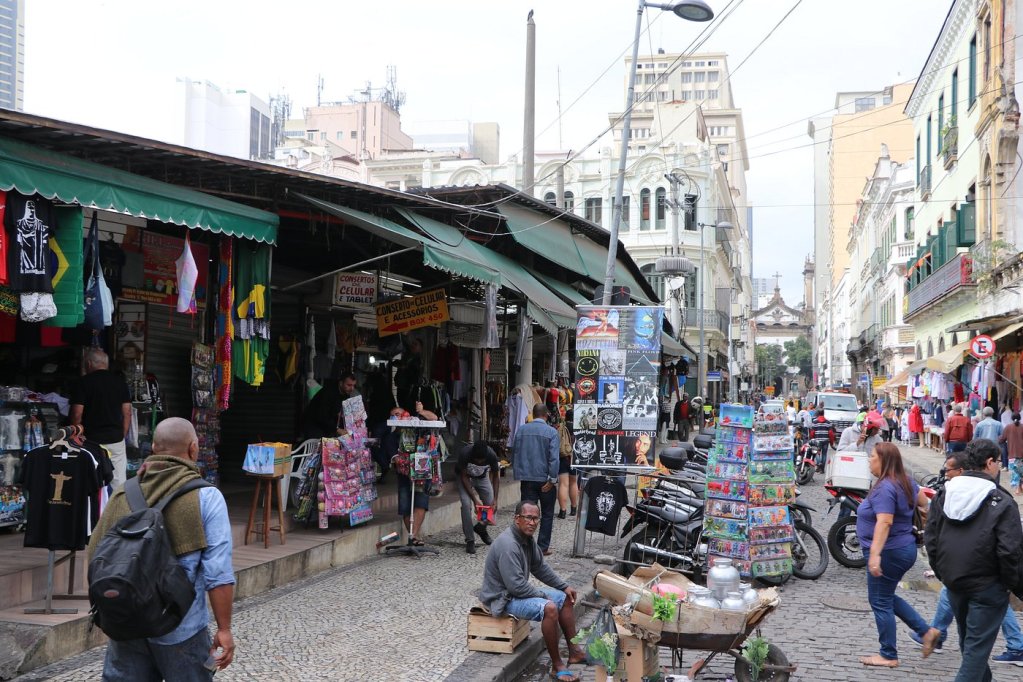
Travel Tip: Arrive early in the day to beat the crowds and have the best selection of goods. Bring small bills and be prepared to negotiate – it’s all part of the experience!
20. Discover Paraty: A Cultural Treasure 🤳
Welcome to Paraty, a picturesque town nestled on the coast of Brazil, where cobblestone streets lead to historic churches, and colonial charm awaits around every corner. Don’t forget your camera, this is one of the most Instagrammable places in Brazil!
Founded in 1597 and steeped in history, Paraty is made for those looking to learn more about the rich heritage of Brazil’s past, explore its architectural wonders, and discover the cultural treasures that make this a must-visit destination in Brazil, for history enthusiasts and adventurers alike.
Step into the streets of Paraty and you’ll feel as though you’ve been transported back in time. The town’s well-preserved architecture, with its whitewashed buildings, colourful doors, and intricate facades, offers a glimpse into Brazil’s colonial past. Take a leisurely stroll through the historic center, a UNESCO World Heritage Site, and admire the elegant mansions, charming squares, and centuries-old churches that line the cobblestone streets.
From the Baroque splendour of the Church of Our Lady of the Remedies to the imposing walls of Forte Defensor Perpétuo, each landmark tells a story of Paraty’s role as a strategic port and center of commerce during Brazil’s colonial era. Spend a few days exploring these architectural gems, marvelling at their ornate details and historical significance.
While Paraty’s colonial charm may steal the spotlight, the town also serves as a gateway to Brazil’s stunning natural landscapes. For adventurous souls, horseback riding offers a unique way to explore the lush rainforests and pristine beaches that surround Paraty. Set out on a guided excursion through dense jungle trails before emerging onto secluded stretches of coastline, immersing yourself in the beauty of Brazil’s outdoors.
For those who prefer to stay closer to the water, Paraty offers tons of aquatic adventures, from snorkeling and diving to kayaking and boat tours. Explore hidden coves, crystal-clear lagoons, and colourful coral reefs as you navigate the azure waters of the Atlantic Ocean.

Whether you’re exploring the cobblestone streets of the historic center, gliding through mangrove forests or lounging on pristine beaches, exploring Paraty is no doubt one of the most fun things to do in Brazil!
21. Explore Europe for the Day (What?) 🥨
A German town in Santa Catarina State
Locals call Pomerode the most German city in Brazil, and for good reason. Founded by German immigrants, Pomerode has preserved its traditions, architecture, and even the language – you’ll hear locals conversing in a distinct German dialect as you wander the streets!
Beyond the linguistic charm, Pomerode boasts a museum that delves into the town’s development and the region’s European immigration history. But the real highlight is the “half-timbered route,” where you can admire the photogenic blend of German and Brazilian influences in the architecture across the 16km route!
This has got to be one of the most unique things to do in Brazil!

Experience Little Finland in Rio de Janeiro State
Venture further, and you’ll discover Penedo, a small city in Rio de Janeiro that was founded by Finnish immigrants at the start of the 20th century.
The European influence is still palpable in the town’s houses, commercial buildings, cuisine, and overall culture – a delightful surprise just a stone’s throw from Brazil’s iconic landscapes.

Drink coffee in a Swiss-styled city
For a taste of Switzerland, head to Campos do Jordão, a popular winter destination known for its cozy, Swiss-style city center.
But this charming town is worth a visit year-round, with its array of attractions, restaurants, and shops open to welcome travelers in every season.
For me this is unquestionably one of the most interesting and fun things to do in Brazil!

Visit a Bavarian City
No exploration of Brazil’s European enclaves would be complete without a visit to Gramado, a Bavarian-inspired city that consistently ranks as one of the Brazil’s best destinations.
Stroll through the cozy city center, marvel at the half-timbered houses, and immerse yourself in a world of parks, museums, chocolate factories, and meticulously maintained gardens.
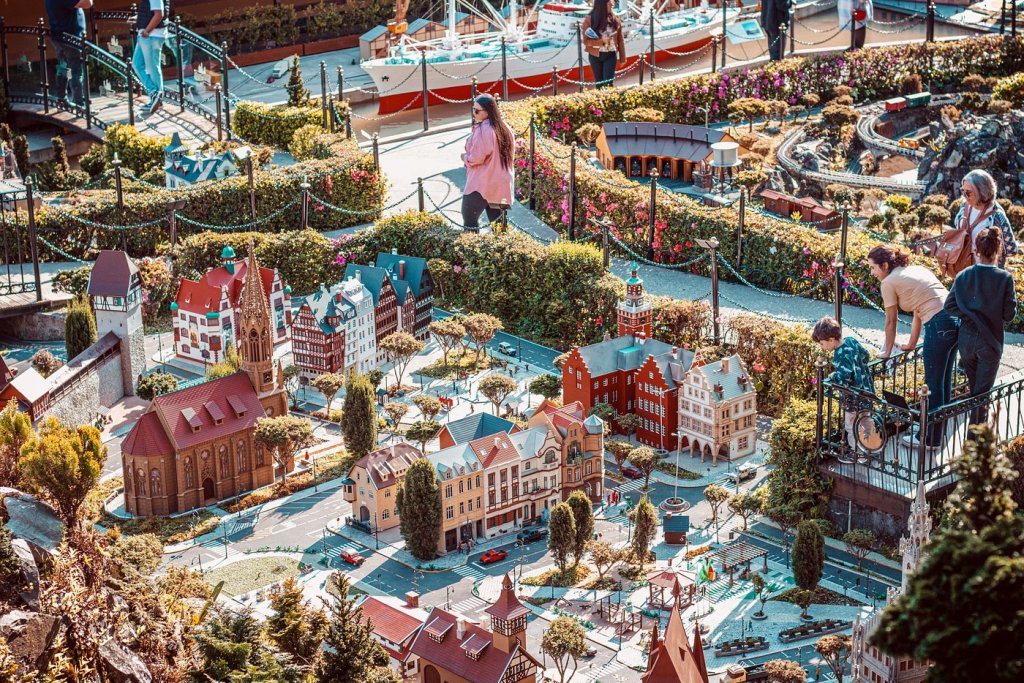
While you’re in Gramado, I highly recommend checking out Mini-Mundo in Rio Grande do Sul, which is a Brazilian theme park with miniature European cities and landmarks (even including a mini version of Germany’s Neuschwanstein castle!)

Attend Oktoberfest
The cultural surprises don’t stop here. In the city of Blumenau, Santa Catarina, the annual Oktoberfest celebrations honour the German heritage of the region, where late 19th-century immigrants made their home.
Don your dirndl or lederhosen and join the festivities, immersing yourself in the lively blend of Brazilian and European traditions!
This has got to be one of the most unique things to do in Brazil!🍻

From the quaint, German-influenced Pomerode to the Finnish-inspired Penedo, and from the Swiss-style Campos do Jordão to the Bavarian-esque Gramado, as well as an entire European style theme park, exploring these unique towns is one of the most fun things you can do in Brazil!
I promise you won’t regret exploring these little-known European enclaves in this diverse and fascinating country!
22. See the Maned Wolves of Santuário do Caraça 🐺
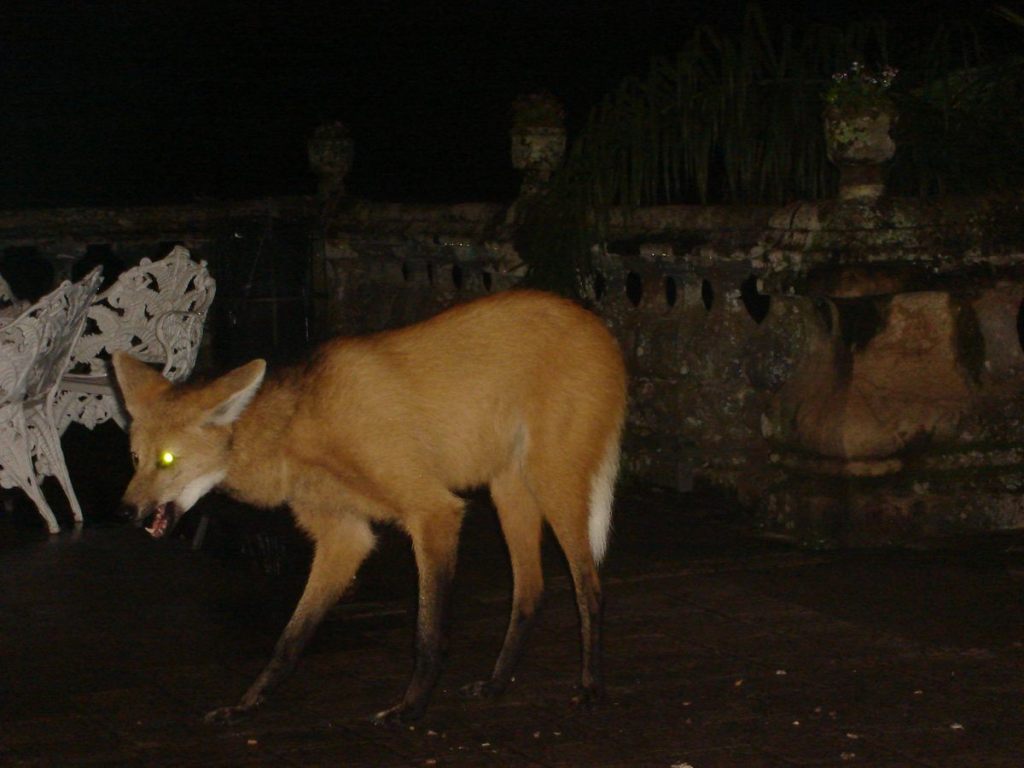
Sit under the starlit sky on the steps of this enchanting neo-Gothic monastery, and you might just find yourself face-to-face with the majestic maned wolf. For those fortunate enough to witness these rare creatures up close, it’s an otherworldly experience you won’t soon forget.
The special bond between the residents of Santuário do Caraça monastery and the native maned wolves dates back to the 1980s. Monks noticed a mysterious creature tipping over trash cans for midnight feasts, leading to the discovery of the tall, fox-like maned wolf with its distinctive Mickey Mouse ears.
Despite its name, the maned wolf isn’t a true wolf but rather a shy, fruit-loving canid native to South America. To curb the nightly scavenging, the monks began leaving out scraps of meat, a tradition that’s continued for decades. These encounters not only captivate visitors but also raise awareness about conserving these vulnerable animals and their habitat.
Today, the monks provide specially formulated meals for the maned wolves, ensuring their well-being without altering their wild behaviour. As a visitor, you can witness this remarkable sight by visiting the 17th-century monastery, sitting beneath the stars as the wolves feed on the terrace below. This is surely one of the most special and fun things to do in Brazil!

How to get here: To reach Santuário do Caraça (without a car), your best option is to travel to the town of Santa Barbara. You can catch a comfortable bus, known as an “oni-bus,” from the bus terminal in Belo Horizonte, the capital of Minas Gerais state. The journey to Santa Barbara typically takes a little over two hours, depending on traffic. Once you arrive in Santa Barbara, you can take a taxi up the winding hills to the Santuário, which will cost around 50 to 60 Reais.
23. Explore the Museum Of Modern Art (MAM) 🖼️
Step into the vibrant world of contemporary art at the Museum of Modern Art (MAM) in Rio de Janeiro, where creativity knows no bounds. Established in 1948 and nestled within the Flamengo Park, this cultural gem has gorgeous views of Guanabara Bay, setting the stage for the artistic journey ahead.
At MAM, you’ll encounter Brazilian and international modern and contemporary artworks, each piece a testament to the endless imagination of its creator. From the iconic works of Brazilian masters like Lygia Clark, Helio Oiticica, and Tarsila do Amaral to cutting-edge pieces by global visionaries, the museum’s collection is a celebration of diversity and innovation.
But MAM isn’t just about the art—it’s an architectural marvel in its own right. Designed by renowned Brazilian architect Affonso Eduardo Reidy in the 1950s, the building’s sleek lines and graceful curves embody the spirit of modernism that swept through Brazil during that era. As you wander through its halls and galleries, you’ll be transported to a world where art and architecture converge in perfect harmony.
Overall, MAM is a great way to spend an afternoon in Rio de Janeiro and one of the most interesting and fun things to do in Brazil, whether you’re an art lover looking for inspiration or simply a curious soul eager to explore new horizons!

Timing: I recommend visiting MAM during weekdays or earlier in the day to avoid crowds and enjoy a more leisurely experience exploring the galleries and exhibits.
24. Discover the Haunting Remains of a Drowned Brazilian City ⛪
Petrolandia was once a thriving community, but was sacrificed to make way for the state’s largest hydroelectric dam, with its residents relocated as the waters rose to submerge their homes and livelihoods.
Though the solid ground of Petrolandia has long since vanished, the ghostly outline of the town’s former church remains, its brick facade and arched Gothic windows rising hauntingly from the reservoir. This eerie relic, now definitively known as “Old Petrolandia,” serves as a tangible link to the past and the people who once called this place home.
While the hydroelectric plant that flooded Old Petrolandia continues to hum along, providing clean, efficient energy to the surrounding region, the presence of the drowned city’s remnants serves as a poignant reminder that progress often comes at a cost. No matter how advanced the technology or how promising the future, the traces of Old Petrolandia refuse to be entirely erased, serving as a haunting and captivating glimpse into the past.
For adventurous travelers seeking one of the most unique and fun things to do in Brazil, a visit to the haunting remains of Old Petrolandia is a must. Though the town itself may no longer exist, the opportunity to witness this unique and eerie landmark is a truly one-of-a-kind experience.
So, if you’re ready to step into a bygone era and uncover the captivating story of Old Petrolandia, pack your sense of adventure and prepare to be enchanted by this remarkable, time-frozen relic – a testament to the enduring power of the past in the face of the ever-changing present!
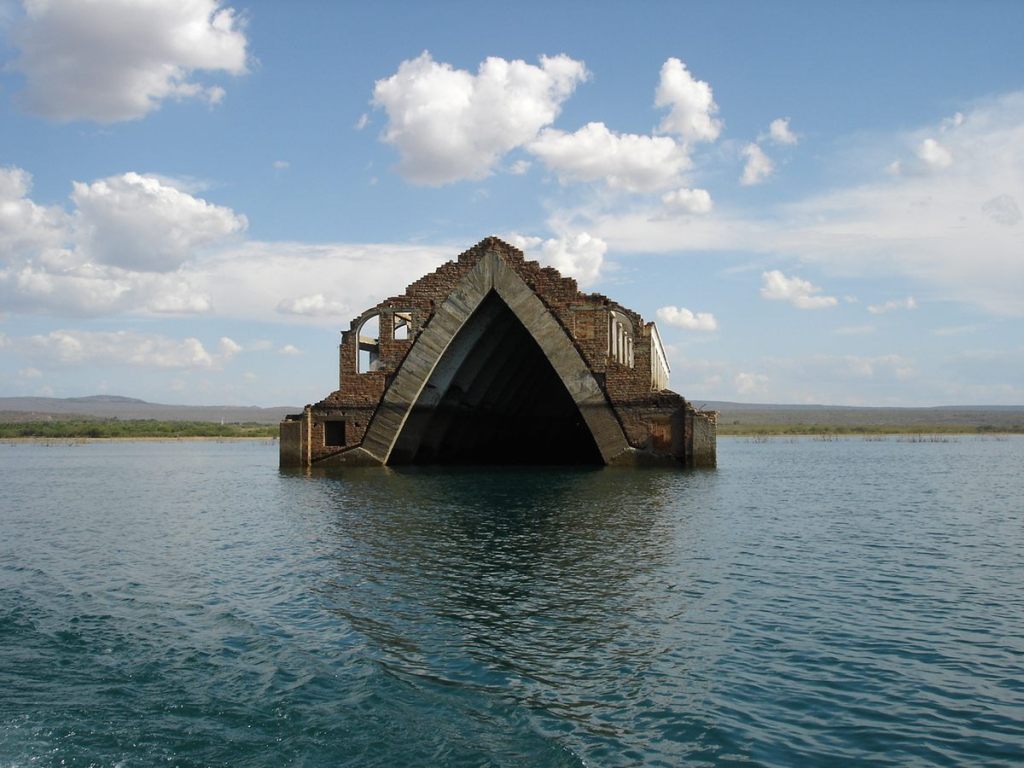
Fun fact: During periods of drought or low water levels in the reservoir, more of Old Petrolandia resurfaces, allowing you to catch glimpses of the town’s former streets, buildings, and infrastructure! Whether you’re an explorer, a historian, or simply someone drawn to the mysteries of the past, the sight of this drowned city’s steeple poking out from the reservoir is sure to leave a lasting impression.
25. Guinness Book of World Records: Discover the World’s Largest Cashew Tree 🥜🌳
Imagine strolling through a forest, only to realise that you’re actually wandering amidst the branches and trunks of a SINGLE but colossal tree! Welcome to the World’s Largest Cashew Tree, a natural wonder located just 20 minutes south of Natal, Brazil, that will leave you in awe and wonder.
While California’s giant sequoias and redwoods are well-known wonders of the plant world, this tree offers a truly unique experience. Covering an astounding two acres, equivalent to nearly two football fields, this single cashew tree (or cajueiro, as it’s known locally) is the stuff of legends! It’s basically a forest within a tree! Only one of the tree’s five branches behaved normally and stopped growing when it reached the ground. Locals call this branch “Salario minimo”, or “Minimum wage”!
The exact age of this incredible tree is shrouded in mystery. Some believe it was first planted in 1888, while others claim it’s been around for thousands of years. Regardless of its origins, the World’s Largest Cashew Tree (According to the Guinness Book of World Records) continues to thrive, producing a bountiful harvest of delicious fruit and nuts that are prized in Brazil.
The tree’s immense size and status as a national treasure have made it a popular Brazil tourist attraction, complete with an admission fee and a surrounding area dedicated to cashew-themed souvenirs and experiences. Be sure to sample the cashew-flavored cachaça, a Brazilian sugar cane-based alcohol, to truly capture the essence of your visit to the World’s Largest Cashew Tree.
Whether you’re a nature enthusiast, a fan of the unexpected, or simply seeking one of the most fun things to do in Brazil, a visit to the World’s Largest Cashew Tree is an unforgettable experience. Prepare to be amazed, enchanted, and inspired by this incredible natural marvel that defies expectations and celebrates the boundless wonders of the plant kingdom.
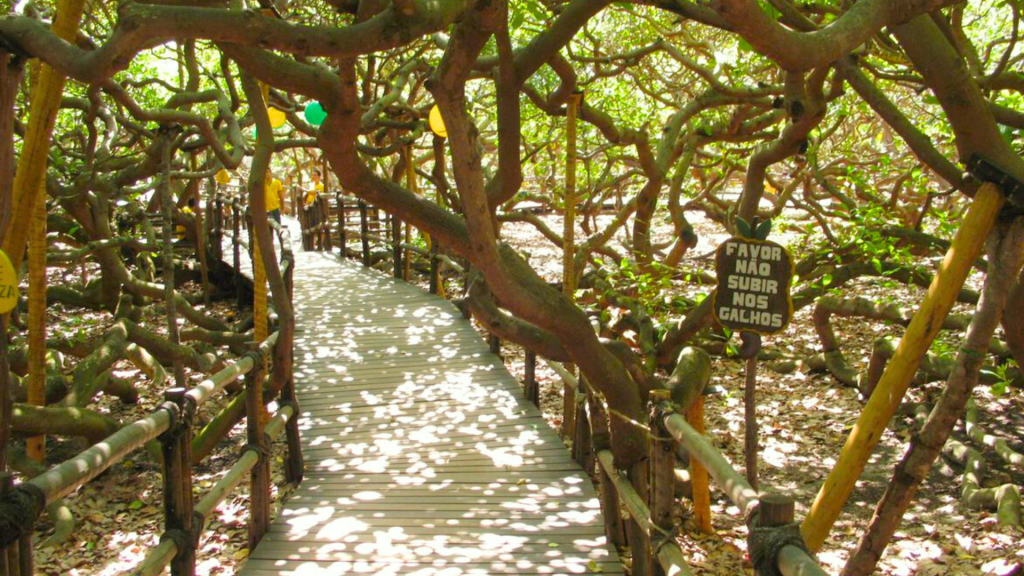

Getting here: Reaching the World’s Largest Cashew Tree is part of the fun, as the drive along the Brazilian coast from Natal is a scenic affair in its own right. Follow the cashew-shaped signs to the tree’s location near the popular Praia de Pirangi (Pirangi Beach), and prepare to be intrigued by this one-of-a-kind natural wonder!
26. The Electrifying World of Brazilian Soccer: One of the Most Fun Things to Do in Brazil ⚽
In Brazil a passion that transcends borders and unites millions is a shared love for the beautiful game of soccer! For visitors to this vibrant country, there’s no better way to get involved in the fervor of Brazilian culture than by attending a live soccer match in one of its legendary stadiums. Brazil boasts some of the most iconic soccer stadiums in the world, each with its own unique history and allure.
Maracanã: The Temple of Brazilian Soccer
No discussion of Brazilian soccer stadiums is complete without mentioning the Maracanã. Located in Rio de Janeiro, this colossal arena has witnessed countless historic moments, including Brazil’s devastating defeat in the 1950 World Cup final and its triumph in the 2014 FIFA World Cup. With a capacity of over 78,000 spectators, the Maracanã pulsates with energy on match days, as fans clad in the colours of their favourite teams create an atmosphere that is nothing short of electrifying.
Arena Corinthians: The Modern Marvel In São Paulo
The Arena Corinthians stands as a testament to Brazil’s passion for soccer and its commitment to innovation. Built for the 2014 FIFA World Cup, this state-of-the-art stadium is renowned for its striking architecture and cutting-edge facilities. Whether you’re cheering for Corinthians or one of the visiting teams, a match at the Arena Corinthians promises an unforgettable experience filled with excitement and intensity.
Mineirão: Where History Meets Hospitality
Nestled in the heart of Belo Horizonte, the Mineirão is more than just a soccer stadium – it’s a symbol of Brazilian identity and pride. Home to two of the country’s most storied clubs, Cruzeiro and Atlético Mineiro, the Mineirão has hosted some of the most memorable matches in Brazilian soccer history. But it’s not just about the action on the pitch – the stadium’s warm hospitality and welcoming atmosphere make every visit feel like a celebration.
Cheering on a soccer match in one of Brazil’s legendary stadiums is more than just a sporting event – it’s an immersion into the soul of a nation. From the iconic Maracanã to the modern Arena Corinthians and the historic Mineirão, each stadium offers its own unique blend of excitement, camaraderie, and spectacle.

If you’re planning to cheer on a soccer match in Brazil, there are a few things to keep in mind to ensure an unforgettable experience:
– Buy Tickets Early: Tickets for popular matches tend to sell out very quickly, so be sure to purchase them in advance through official channels or authorised ticket vendors.
– Arrive Early: To soak up the atmosphere and avoid the crowds, arrive at the stadium early and take some time to explore the surroundings.
– Embrace the Culture: Brazilian soccer culture is vibrant and passionate, so don’t be afraid to join in the chants, wave your team’s colours, and celebrate with fellow fans.
Whether you’re a die-hard soccer fan or simply looking to experience the most fun thing to do in Brazil, attending a live match is a must-have on your travel itinerary.
Enjoy!
Best Time to Visit Brazil? ⌛☀️
Brazil is a country that offers a diverse array of experiences throughout the seasons. However, timing can play an important role in ensuring you make the most of your visit.
From the vibrant revelry of Carnival to the lush greenery of the Amazon, the optimal time to explore Brazil will inevitably vary depending on your interests and priorities.
So, here’s what to expect during each season:
High Season (December to March)
The high season in Brazil is characterised by the country’s most famous and epic event – Carnival! Held annually in the days leading up to Lent, this explosive festival of music, dance, and revelry transforms the streets of Rio de Janeiro into a spectacle of colour and energy.
If you’re wanting to immerse yourself in the heart of the celebrations, the high season is the best time to visit Brazil. Not only will you witness the incredible parades and performances, but you’ll also have the opportunity to soak up the sun on the world-famous beaches of Rio and beyond.
However, it’s important to note that the high season also brings with it the largest crowds and higher prices. If you’re looking to avoid the peak of the tourist season, consider visiting in the shoulder season, which offers a more relaxed pace and potentially more affordable options.

Shoulder Season (April to June, September to November)
The shoulder seasons are an excellent time to visit, with there being plenty of fun things to do in Brazil during this time, offering a balance of comfortable weather, fewer crowds, and more affordable prices. During these months, you’ll be able to explore the country’s iconic destinations, such as the Amazon rainforest and the stunning Iguazu Falls, without the hustle and bustle of the high season.
The shoulder seasons also present unique opportunities to witness local festivals and events that may be less crowded than their high-season counterparts. For example, in June, you can immerse yourself in the vibrant São João celebrations, which feature traditional music, dance, and culinary delights across the country.
Also, the shoulder seasons often provide more favourable conditions for outdoor activities, like hiking, birdwatching, and hitting the beach, as the weather is generally more moderate and the crowds are more manageable.

Low Season (July to August)
The low season, which coincides with the winter months, can be a great time to visit Brazil for those seeking to avoid the heat and crowds of the high season. During this time of year, you’ll find fewer tourists, which can translate to better deals on accommodations and flights, as well as a more relaxed pace in popular destinations.
While the weather may be a bit cooler, especially in the southern regions of the country, the low season can still offer plenty of fun things to do in Brazil, including checking out its stunning natural landscapes, cultural attractions, and vibrant cities. This is an ideal time to explore the Amazon rainforest, as the dry season allows for more accessible and much more comfortable river expeditions. The low season can also be a fabulous time to visit the southern beach towns, which offer a more serene and tranquil environment.
Regardless of when you choose to visit Brazil, understanding the country’s diverse offerings ensures that there’s always something awesome to do on your trip!
Is It Safe to Visit Brazil as a Solo Female Traveler?♀
As a solo female traveler, safety is often a pressing concern when planning a trip to a new destination.
Brazil, with its vibrant culture, stunning natural beauty, and welcoming people, is a country that has long captured the imagination of adventurous travelers.
However, concerns about personal safety can sometimes deter females from embracing all that this South American gem has to offer.
So, let’s dive into the realities of traveling solo as a woman in Brazil, as well as some practical tips and advice to help ensure a safe trip!

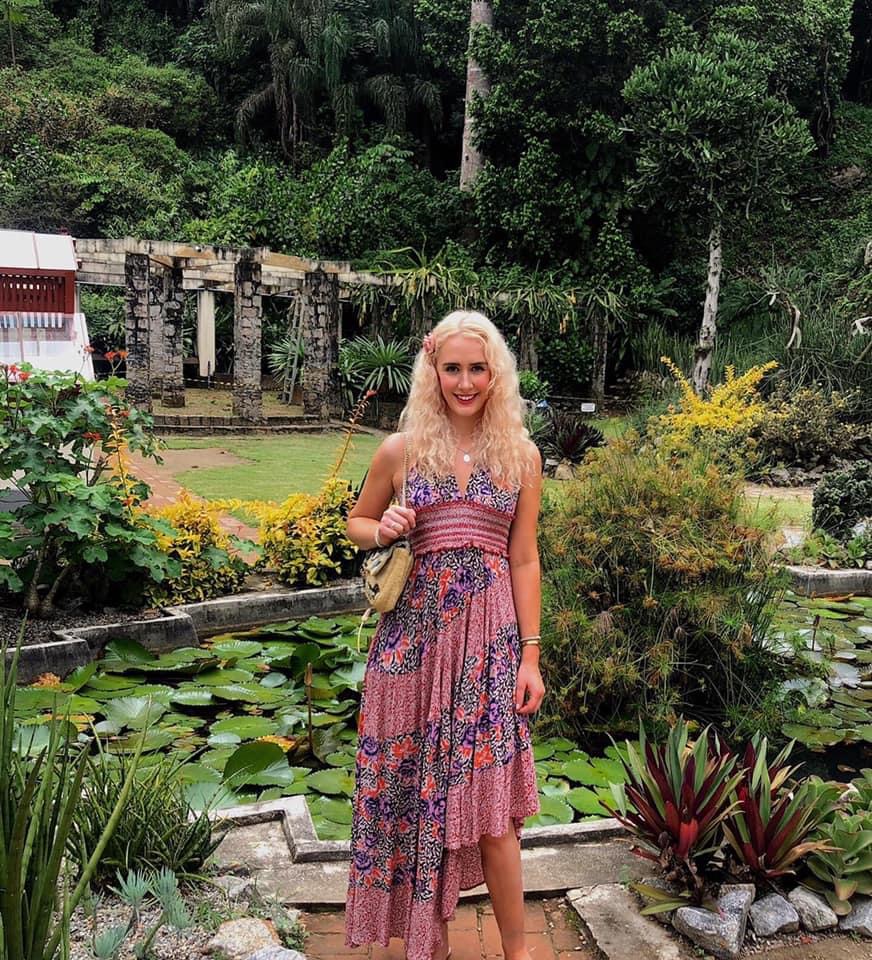
Addressing the Safety Concerns ⚠️
It’s no secret that Brazil has faced challenges with crime and personal security in the past. However, it’s important to remember that the country is vast and diverse, with experiences varying depending on the area and safety precautions taken.
One of the biggest misconceptions is that Brazil is inherently unsafe for solo female travelers. While it’s true that certain areas, particularly in the larger cities, can pose more risks, with proper research, planning, and situational awareness, solo female travelers should explore Brazil with confidence.
Lots of the safety concerns in Brazil often stem from the country’s reputation for petty theft in popular tourist areas. But by taking basic precautions, like keeping your belongings secure, avoiding flaunting your valuables, and being mindful of your surroundings, you can massivley reduce the chances of becoming a victim of crime.
One of the greatest joys of traveling solo is the opportunity to connect with local communities, immerse yourself in the local way of life, and get a deeper understanding of the country’s heritage. In Brazil, you’ll find a warm and welcoming people that are usually always eager to share their traditions, cuisine, and perspectives with curious visitors.
Also, Brazil’s natural wonders, like the breathtaking Iguazu Falls and the stunning beaches of Florianópolis, offer the PERFECT settings for solo female travelers to reconnect with themselves, recharge, and forge meaningful connections with fellow adventurers!
Tips for Solo Female Travellers in Brazil
To ensure a safe and fun trip to Brazil, it’s essential to do some research, proper planning, and being a little adaptable. Here’s some practical tips for solo female travelers in Brazil:
- Familiarise yourself with the local customs and cultural norms.
- Opt for accommodations and transport options with good reviews, and consider joining some guided tours for added security.
- Stay vigilant in crowded areas and avoid walking alone at night, especially in unfamiliar neighbourhoods.
- Keep your valuables secure and minimise the amount of cash / valuable you carry with you.
- Try and connect with other solo female travelers, either through online communities or local meetup groups 👩🏼❤️👩🏼
- Learn some basic Portuguese phrases to help with communication and connecting with the local population.
- Share your travel itinerary with friends or family back home.
By embracing the vibrant culture, stunning landscapes, and welcoming people of Brazil, solo female travelers should expect a safe trip to this incredibly warm country! With the right preparation, mindset, and a spirit of adventure, Brazil can certainly be a safe and incredibly rewarding destination for the solo female explorer.

Where to Stay in Brazil? 🏩
If you’re looking for the best place to stay in Brazil I recommend searching for deals on Agoda, which is my go-to tool for accommodations around the world! ⬇️
FAQs about things to do in Brazil 🇧🇷
1️⃣ Which are the Best Things to do in Brazil?
Some of the most fun things to do in Brazil are the following:
- Explore the Amazon Rainforest, the world’s largest tropical rainforest.
- Experience the vibrant energy of Rio de Janeiro’s Carnival.
- Visit the iconic Christ the Redeemer statue for panoramic views of Rio.
- Relax on the beautiful beaches of Copacabana and Ipanema.
- Discover the rich biodiversity of the Pantanal wetlands on a wildlife safari.
- Marvel at the breathtaking Iguazu Falls, a UNESCO World Heritage site.
- Immerse yourself in Brazilian culture through music, dance, and food.
- Cheer on a soccer match in one of Brazil’s legendary stadiums.
- Savour the flavours of Brazilian cuisine.
- Take a scenic cable car ride to the top of Sugarloaf Mountain for stunning views.
2️⃣ Best things to do in Brazil at night?
Visiting Christ the Redeemer during dusk, spend time at Copacabana Beach, attending games at Maracanã Stadium, trying cocktails on Sugarloaf Mountain, and savouring local delicacies in Salvador are some of the best things to do in Brazil at night.
3️⃣ Fun facts about Brazil?
- The country’s name comes from the national tree, the pau-brasil, which is an important natural resource.
- Brazil is the largest producer of coffee in the world, accounting for about a third of the global coffee supply. The country’s coffee culture is deeply ingrained in its social fabric.
- 7 natural and 14 cultural UNESCO World Heritage sites are found in Brazil.
- Brazil is passionate about soccer and has a storied history in the sport. The national team has won the FIFA World Cup a record five times, more than any other country.
- While Portuguese is the official language of Brazil, there are also over 180 indigenous languages spoken in the country, reflecting its rich cultural diversity.
- Brazil is the 5th largest country in the world by both area and population.
- This amazing country is one of the most biodiverse countries on the planet, with a vast array of plant and animal species. It’s estimated that Brazil is home to around 15-20% of the world’s species.
4️⃣ What are the top places to visit in Brazil?
Here are a few popular places that you can visit in Brazil:
1. Brasília’s Modernist Architecture
2. Christ the Redeemer Statue
3. Ouro Preto
4. Sugarloaf Mountain
5. Chapada Diamantina
5️⃣ Best time to visit Brazil?
September and October is the best time to visit Brazil and has the most pleasant weather. Since it’s the shoulder season, you will see very few crows and even get huge discounts on hotels.
6️⃣ How Many Days is Enough for Brazil?
Considering the size of this country and the number of fun things to do in Brazil, at least 2 to 3 weeks is needed to take in all of the incredible wonders!
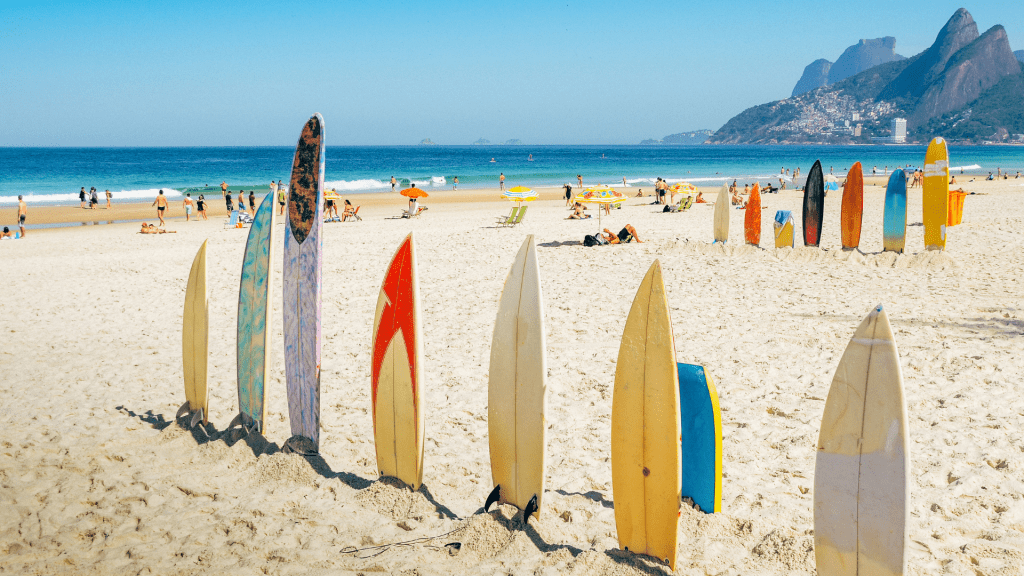
Final Thoughts on Fun Things to do in Brazil? 🥳
This article has only just scratched the surface when it comes to all the fun things to do in Brazil.
From the vibrant cultural experiences to the stunning natural landscapes, this captivating country offers something for every type of traveler.
So, why not start planning your adventure today and get ready to immerse yourself in the magic of this South American gem!
I hope you enjoyed this article on the most fun things to do in Brazil! As always, if you have any questions, feel free to ask in the comments!
Happy travels! 🇧🇷

Leave a Reply