Can You Use Sunscreen After Applying Shea Butter? The Definitive Guide 🧴
The sun can be both beneficial and harmful to our skin, depending on the amount of exposure. While it provides essential Vitamin D and its rays can be healing, too much sun exposure can cause burns, wrinkles, and other forms of sun damage.
As the holiday season approaches, the topic of sun protection becomes increasingly important, especially given the alarming rise in skin cancer in young people.
While sunscreen is an essential part of any effective sun care routine, many people also add other moisturising products into their skincare regimen, such as shea butter and some even consider shea butter to be a natural SPF.
When it comes to protecting your skin from the sun, the following question often arises:
Can you use sunscreen after applying shea butter, or will this combination compromise the effectiveness of your sun protection?
In this article, we’ll explore the science behind sunscreen and shea butter, and provide you with ALL the information you need to make an informed decision about combining these two essential products.
The Short Answer:
If you’re short of time and literally just want a yes or no answer as to whether you can use Sunscreen After Applying Shea Butter. The short answer is YES!

🌞 Understanding Sunscreen and its Importance
Before we delve into the compatibility of sunscreen and shea butter, it’s super important to understand the significance of sun protection. Exposure to ultraviolet (UV) radiation from the sun can cause tons of skin problems, including premature ageing(!), sunburn, and an increased risk of skin cancer.
Sunscreen is designed to protect your skin from these harmful UV rays by either absorbing or reflecting them. It works by containing active ingredients, such as avobenzone, oxybenzone, titanium dioxide, and zinc oxide, which filter out different types of UV radiation.
🧴 Benefits of Shea Butter for Skin
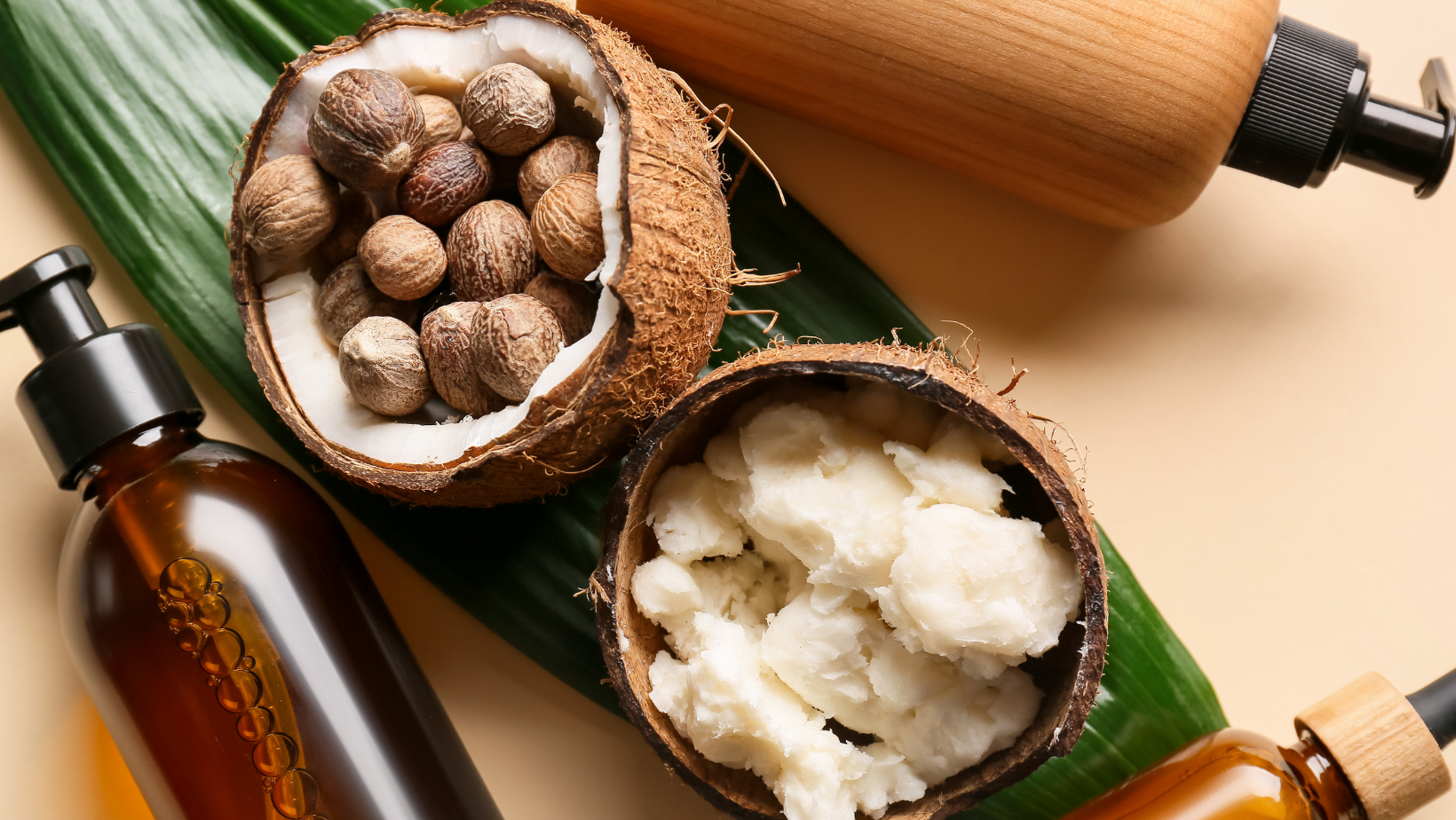
Shea butter is a natural, plant-based fat extracted from the nuts of the shea tree, native to West Africa. It’s been used for centuries in various skincare products due to its incredible benefits for the skin.
- Did you know that shea butter is rich in vitamins A and E, as well as fatty acids, which provide AMAZING moisturising and nourishing properties? It helps to soothe and hydrate dry, cracked, or irritated skin, making it an ultra popular choice for those with dry or sensitive skin types.
- Additionally, shea butter has anti-inflammatory and antioxidant properties, which helps to protect the skin from environmental stressors and can promote a more youthful, radiant complexion.
- The natural UV-blocking compounds are even thought to offer some sun protection by blocking some UVB rays responsible for sunburn.. Shea butter typically has an SPF ranging from 3 to 6, which provides a limited shield against the sun’s harmful UV rays.
🌿 Difference Between Shea Butter and Raw Shea Butter?
When it comes to the difference between shea butter and raw shea butter, the main difference is in the level of refinement and processing they undergo. The more that shea butter is processed, the more its all-natural properties are diluted, for this very reason, shea butter is classified by a grading system from A – F, with grade A being the most pure form of shea butter you can buy.
Since raw shea butter is more natural and generally retains more of its beneficial properties compared to shea butter, some contend that this enhances its effectiveness as a sunscreen. Consequently, some people prefer to use raw shea butter for sun protection.
⚠️ Side Effects and Risks of Shea Butter
Since shea butter is extremely natural, it’s not only a natural ingredient that can be used to nourish, moisturise, and protect the skin, but it’s also super safe and gentle.
Believe it or not, at the time of writing there are actually no documented cases of topical shea butter allergies. This means that even people with tree nut allergies can potentially use shea butter on their skin.
With that being said, be sure to discontinue use if you encounter any irritation and inflammation in relation to the shea butter you applied to your skin.
Also, the shea tree is known to contain natural latex, which can cause a latex allergy reaction in people that have an allergy to latex.
Seek emergency medical attention if you experience severe pain, swelling, or difficulty breathing.
Also, although shea butter is considered safe for every skin type, many products containing shea butter have other ingredients mixed in, which is something that should be kept in mind.
🧴 Can Shea Butter be Used as Sunscreen?
Natural sun reflection and sun barrier
Shea butter is considered to offer some level of natural sun protection as it contains compounds like cinnamic acid, which offer a (limited) shield against UV rays. Cinnamic acid works by helping to reflect some of the sun’s UV rays away from the skin, which can reduce their potential to damage skin cells. This makes shea butter a potential option for those looking for a more natural approach to sun protection.
Derived from the African Karite tree, shea butter has been used for centuries to protect the skin from the sun’s damaging rays. It’s thought that applying shea butter to your skin before sunbathing can help create a natural barrier between your skin and the sun, reducing the risk of sun damage.
Moisturising
Sun exposure can cause your skin to become dehydrated and dry, which makes it more prone to sunburn and damage. But since shea butter is a deeply moisturising natural product this helps to keep your skin hydrated and less susceptible to damaging sunburn.
Due to the fact that shea butter contains anti-inflammatory properties that soothe and reduce the inflammation caused by sun exposure, applying it to sunburned skin can reduce redness and swelling, allowing your skin to heal more quickly.
In fact, Research suggests that it’s beneficial for superficial (first-degree) skin burns, such as sunburn and can actually help to reverse sun damage with its healing properties. This is mainly because she butter is naturally rich in vitamins A, E and F.
Shea butter is best used as a preventative in addition to being a great way to protect the skin from FUTURE damage.
Caution: Re using Shea Butter as Sunscreen
Do note that shea butter alone generally doesn’t provide adequate protection against both UVA and UVB rays. Its SPF level varies depending on factors like the quality of the shea butter and how it’s processed.
Different shea butter brands may have different compositions and levels of sun-protective compounds. Therefore, buying a reputable brand with clear information on the product’s sun protection properties is crucial.
While anecdotal evidence and traditional knowledge do support the sun-blocking potential of shea butter, scientific studies, and research to support this are limited. Skin types also differ in sensitivity to the sun, susceptibility to sunburn, and tolerance to certain ingredients, which is something else to keep in mind.
To ensure effective sun protection, it’s essential to use a sunscreen with a broad-spectrum SPF specifically formulated to provide protection against both UVA and UVB rays. Taking other sun-safety measures, like seeking shade, wearing protective clothing, and avoiding peak sun hours, is absolutely crucial.
Shea butter ALONE should not be relied upon as the only means of sun protection, especially in intense sunlight or if you plan on spending extended periods in the sun. It’s generally best used as a supplementary form of sun protection alongside other sun-safe practices.
If you’re unsure on exactly what’s best for you personally, consider consulting a dermatologist or healthcare professional for personalised advice.

🧴 Can You Use Sunscreen AFTER Shea Butter?
Now, let’s address the main question: Can you use sunscreen after applying shea butter?
As mentioned, the short answer to this question is yes, but there are some important considerations to keep in mind.
Firstly, it’s essential to understand that shea butter itself does not provide much SPF. While it can nourish and hydrate the skin, it doesn’t offer significant defence against UV radiation compared to commercial sunscreen.
Secondly, the order in which you apply these products is VITAL. It’s generally recommended to apply sunscreen as the last step in your skincare routine, after applying any moisturisers or other skincare products. This ensures that the sunscreen forms a protective layer on top of your skin, allowing it to work effectively.
If you apply sunscreen first and then layer shea butter on top, you run the risk of diluting or compromising the effectiveness of the sunscreen, as the shea butter might stop it from properly absorbing into your skin.
Note: Applying shea butter before sunscreen may not necessarily render the sunscreen completely ineffective. As long as you allow enough time for the shea butter to absorb into your skin before applying the sunscreen, the combination can still provide adequate sun protection.
💡 Tips for Combining Sunscreen and Shea Butter
To ensure optimal sun protection and skin hydration, I highly recommend following these tips when using sunscreen and shea butter together:
- Apply shea butter first: Start by applying a thin layer of shea butter to your clean, dry skin, focusing on any dry or rough areas that need extra nourishment.
- Allow sufficient absorption time: Give the shea butter time to fully absorb into your skin, typically 5-10 minutes, before proceeding to the next step.
- Choose a high-quality sunscreen: Look for a broad-spectrum sunscreen with an SPF of at least 30, and ensure it provides protection against both UVA and UVB rays. My personal go-to is always La Roche-Posay.
- Apply sunscreen liberally: Once the shea butter has absorbed, apply a generous amount of sunscreen to your face and all exposed areas of your body (ensuring even coverage).
- Reapply regularly: Sunscreen should be reapplied every one-two hours, and more frequently if you’ve been sweating or swimming.
- Consider layering: If you feel that your skin still needs additional hydration after applying sunscreen, you can lightly layer a small amount of shea butter over the top, being super careful not to rub it in too vigorously, as this could disturb the sunscreen’s protective layer!
It’s worth noting that everyone’s skin is different, and some individuals may find that certain skincare product combinations work better for them than others. If you have any concerns or experience any adverse reactions, it’s always best to consult with a dermatologist or skincare professional.
❓ Alternatives to Shea Butter?
While shea butter is thought to provide limited sun protection, various other natural ingredients also contain sun-protective properties. Examples include raspberry seed oil, coconut oil, and jojoba oil.
Why? These ingredients have natural compounds that can act as mild sunscreens or boost the effectiveness of your usual SPF. Do note that their sun-protective abilities do vary and they should always be used as additional measures alongside broad-spectrum SPF for adequate protection.
When selecting sun protection alternatives to shea butter, your personal preferences and skin type play a key role.
Conclusion: Can You Use Sunscreen After Applying Shea Butter? 🧴
In summary, you can certainly use sunscreen after applying shea butter, as long as you follow the proper application order and allow enough time for the shea butter to absorb into your skin before applying the sunscreen. This combination can provide both sun protection and nourishing hydration for your skin.
While shea butter is thought to offer some sun protection, it should be considered as an additional form of sunscreen rather than a standalone solution. Remember, sun protection is crucial for maintaining healthy, youthful-looking skin and reducing the risk of skin damage and cancer.
By incorporating both sunscreen and shea butter into your skincare routine, you can enjoy the benefits of both products while keeping your skin safe from harmful UV rays.
If you have any questions on this article titled ‘Can You Use Sunscreen After Applying Shea Butter?‘ feel free to comment below! Otherwise, stay safe and enjoy the sun responsibly!


Leave a Reply